




Fashion is not only a reflection of personal style but also a mirror of the times. Major world events, such as wars and economic shifts, have significantly influenced fashion trends and clothing styles. These events have shaped the way people dress, reflecting the social and cultural changes of their time.
Fashion During Wartime
World War I and World War II had profound effects on fashion. During these periods, practicality and necessity dictated clothing styles. As more
women entered the workforce, there was a demand for functional and comfortable clothing. This led to the rise of simpler, more utilitarian designs that allowed for ease of movement.
The scarcity of materials during wartime also influenced fashion. Designers had to work with limited resources, leading to the creation of innovative styles that made the most of available fabrics. The use of darker colors became prevalent, reflecting the somber mood of the times. Skirts became shorter, and clothing was designed to be more practical for everyday wear.
Post-War Fashion Revolution
The end of World War II marked a significant shift in fashion. The post-war era saw a return to luxury and opulence, as people sought to leave behind the austerity of wartime. Designers like Christian Dior introduced the "New Look," characterized by full skirts and cinched waists, which celebrated femininity and elegance.
This period also saw the rise of ready-to-wear fashion, as mass production techniques developed during the war were adapted for civilian use. The democratization of fashion allowed more people to access stylish clothing, further blurring the lines between haute couture and everyday wear.
The Influence of Economic Changes
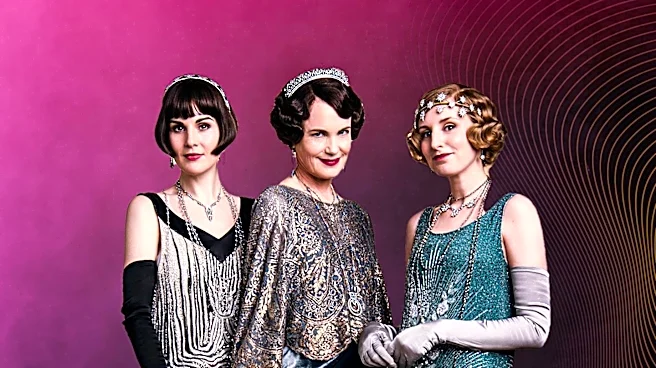
Economic shifts have also played a role in shaping fashion trends. The Great Depression of the 1930s, for example, led to more conservative and modest clothing styles. People sought to make the most of their wardrobes, leading to the popularity of versatile and durable garments.
In contrast, the economic boom of the 1950s and 1960s brought about a sense of optimism and experimentation in fashion. Bold colors, new materials, and innovative designs became popular, reflecting the prosperity and cultural shifts of the time.
In conclusion, major world events have had a lasting impact on fashion trends and clothing styles. From the practicality of wartime fashion to the opulence of the post-war era, these events have shaped the way people dress and express themselves. As history continues to unfold, fashion will undoubtedly continue to evolve, reflecting the ever-changing world around us.