



Earrings have been a staple of human adornment for millennia, evolving in style and significance across different cultures and eras. From simple hoops to intricate designs, the evolution of earring styles reflects changes in fashion, technology, and cultural values. This article explores the journey of earring styles from ancient times to the present day, highlighting key developments and trends.
Ancient and Classical Earring Styles
The earliest known earrings date back to ancient civilizations
such as Mesopotamia and Egypt, where they were crafted from gold and adorned with precious stones. These early earrings were often simple hoops or studs, designed to showcase the wealth and status of the wearer. In ancient Greece, earrings took on more elaborate forms, featuring motifs such as animals and mythological figures, crafted with intricate metalwork.
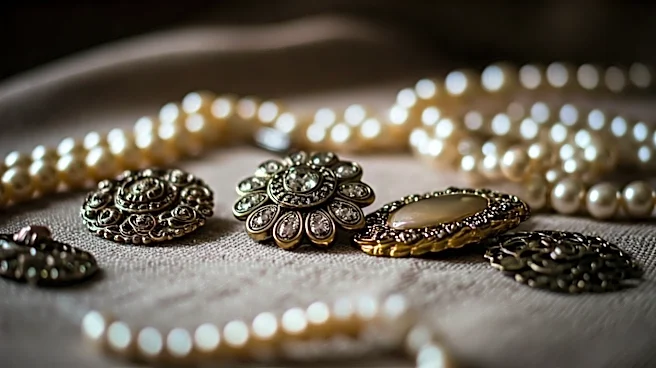
During the Roman Empire, earrings became more ornate, with the use of gemstones and complex designs. Roman earrings often featured pearls and colored stones, set in gold or silver. The popularity of earrings continued into the Byzantine period, where they were characterized by their use of enameling and filigree work, reflecting the artistic influences of the time.
Medieval to Renaissance Developments
In medieval Europe, earrings fell out of favor due to changing fashion trends that emphasized elaborate hairstyles and headpieces, which often obscured the ears. However, they experienced a resurgence during the Renaissance, as new trade routes brought an influx of gemstones and precious metals from the East. Earrings from this period were often large and elaborate, designed to complement the opulent clothing of the time.
The Baroque period saw the introduction of drop earrings, which featured dangling elements and intricate designs. These earrings were often set with diamonds and other precious stones, reflecting the wealth and status of the wearer. The Rococo period continued this trend, with earrings becoming even more elaborate and decorative.
Modern and Contemporary Styles
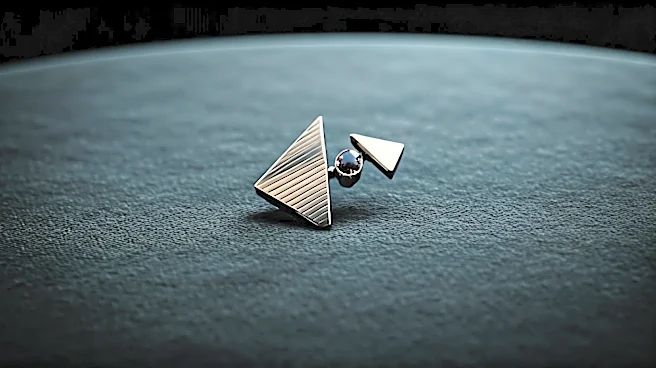
The 20th century brought significant changes to earring styles, influenced by technological advancements and changing social norms. The Art Deco movement of the 1920s and 1930s introduced geometric designs and the use of new materials such as plastics and synthetic stones. Earrings became more accessible to the general public, with the rise of costume jewelry.
In the latter half of the 20th century, earrings became a popular form of self-expression, with styles ranging from minimalist studs to bold statement pieces. The punk and alternative movements of the 1970s and 1980s popularized ear piercings beyond the traditional earlobe, leading to the rise of cartilage piercings and the use of unconventional materials.
Today, earrings continue to evolve, with designers experimenting with new materials, techniques, and styles. From classic hoops to avant-garde designs, earrings remain a versatile and enduring form of personal adornment, reflecting the diverse tastes and identities of their wearers.