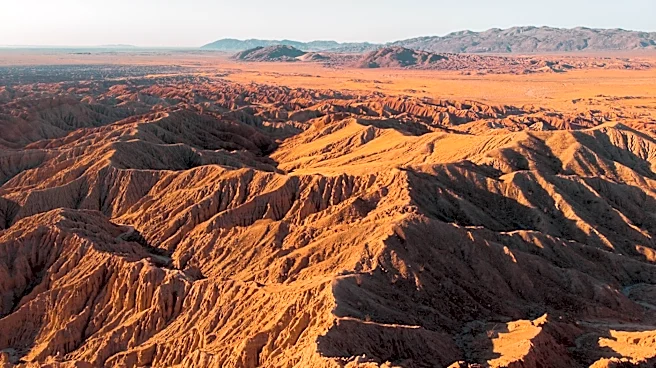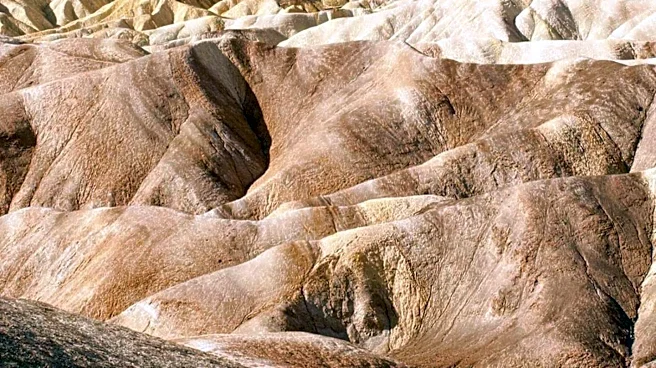


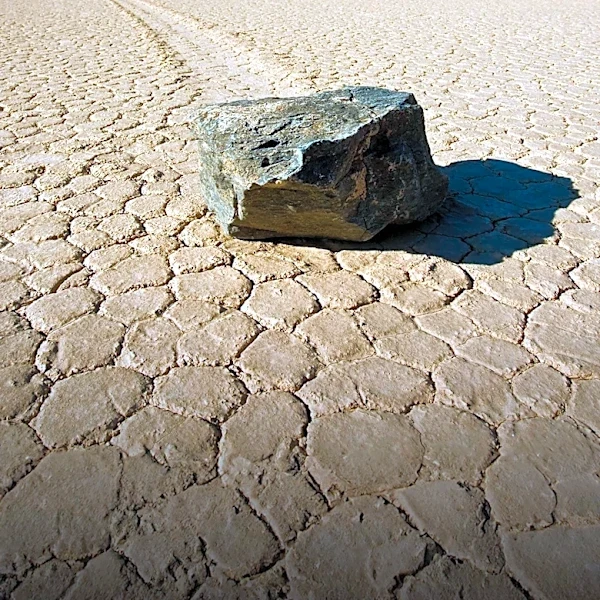





Death Valley National Park, straddling California and Nevada, is renowned for its extreme temperatures and unique geographical features. As part of the Mojave and Great Basin deserts, the park offers a diverse landscape that attracts visitors from around the world. Established in 1994, it encompasses a variety of terrains, each with its own distinct characteristics.
The Mojave Desert Influence
Death Valley National Park is a significant part of the Mojave Desert, known for its
arid climate and sparse vegetation. The Mojave Desert contributes to the park's reputation as the hottest place on Earth, with temperatures often soaring above 120 degrees Fahrenheit during summer months. This desert environment is characterized by its unique flora and fauna, adapted to survive in such harsh conditions.
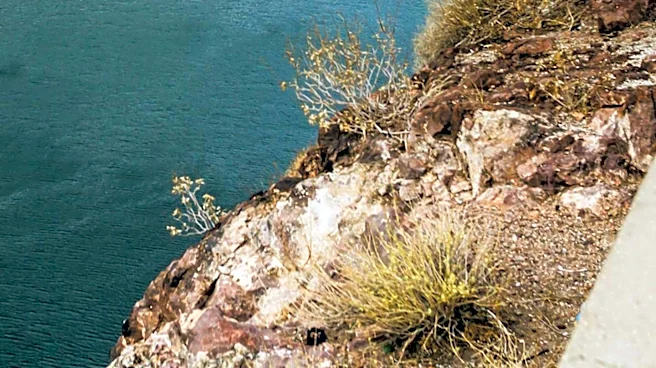
The park's location within the Mojave Desert means it is home to several endemic plant species, such as the Enceliopsis covillei and Ephedra funerea. These plants have evolved to thrive in the dry, sandy soil and intense sunlight. The Mojave Desert's influence is evident in the park's landscape, with vast stretches of sand dunes and rocky outcrops that define the region.
The Great Basin Connection
In addition to the Mojave Desert, Death Valley National Park also covers parts of the Great Basin. This region is known for its high elevation and cooler temperatures compared to the Mojave Desert. The Great Basin's presence in the park is marked by mountain ranges and valleys that offer a stark contrast to the desert plains.
The Grapevine Mountains and Funeral Mountains are notable features within the park that belong to the Great Basin. These mountain ranges provide a habitat for diverse wildlife and offer stunning vistas for visitors. The cooler climate and higher elevation of the Great Basin contribute to the park's varied ecosystem, supporting species that are not found in the lower desert areas.
Unique Geological Formations
Death Valley National Park is home to several unique geological formations that draw interest from geologists and tourists alike. The Furnace Creek Fault Zone is a prominent feature, showcasing the park's dynamic geological activity. This fault zone is a testament to the tectonic forces that have shaped the region over millions of years.
Another fascinating geological feature is the Eureka Valley, located in Inyo County. This area is known for its impressive sand dunes, which are among the tallest in North America. The dunes provide a stunning backdrop for photography and exploration, highlighting the park's diverse terrain.
Overall, Death Valley National Park's geography is a blend of desert and mountain landscapes, each contributing to the park's unique character. Its diverse regions offer a glimpse into the natural beauty and geological complexity of this remarkable area.