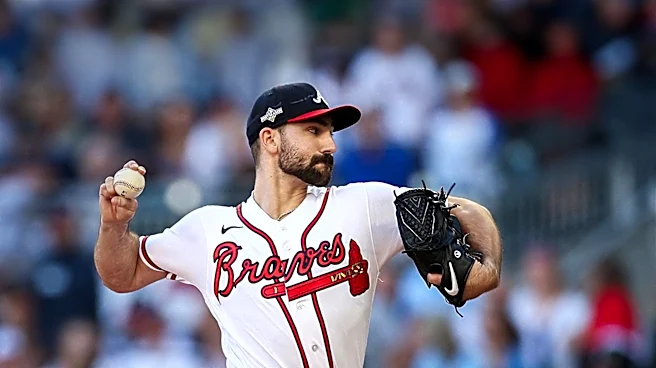




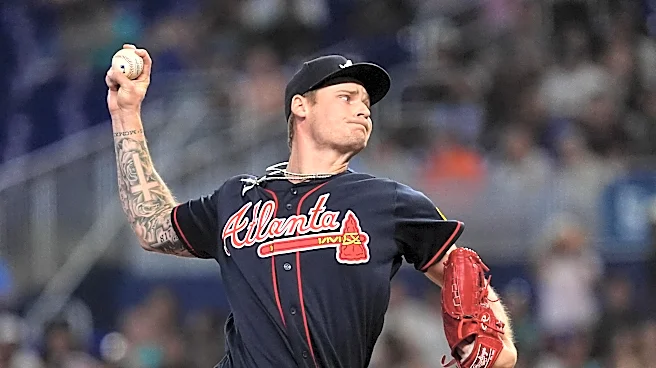

The 1999 postseason was a significant chapter for the Atlanta Braves, culminating in their appearance in the World Series. Their path to the championship series involved a challenging National League Championship Series (NLCS) against the New York Mets, a series that tested their resilience and ultimately saw them emerge victorious. This NLCS was a rematch of the very first NLCS from 1969, adding a historical layer to the intense competition. The Braves'
journey through the 1999 playoffs showcased their determination and their ability to overcome formidable opponents to reach the pinnacle of Major League Baseball.
The Grueling NLCS Against the New York Mets
The Atlanta Braves faced the New York Mets in the NLCS, a series that proved to be a hard-fought battle. The Braves started strong, with Greg Maddux pitching seven solid innings in Game 1 to secure a victory. Kevin Millwood followed suit in Game 2, pitching another strong seven innings, giving the Braves a 2-0 lead as the series headed to Queens. In Game 3, Tom Glavine delivered seven innings of shutout ball, and the Braves' bullpen silenced the Mets' offense, putting Atlanta in a commanding three-games-to-none lead, seemingly on the verge of a sweep.
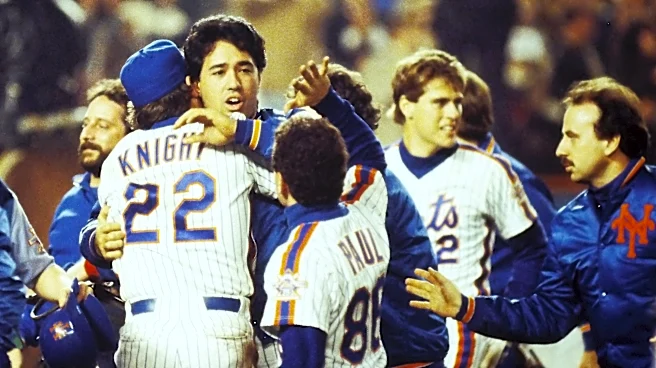
However, the Mets mounted a comeback. In Game 4, the Braves were just four outs away from sweeping the series when a two-run RBI single from John Olerud put the Mets in the lead, allowing them to avoid elimination. Game 5 was an extended and grueling contest that went into extra innings. With the Braves two outs away from winning the series in the bottom of the fifteenth inning, Robin Ventura hit a walk-off bases-loaded blast, sending the series back to Atlanta and keeping the Mets' hopes alive. This dramatic turn of events highlighted the competitive nature of the series and the Mets' refusal to yield.
Securing the Pennant in a Back-and-Forth Slugfest
Game 6 of the NLCS was a massive back-and-forth slugfest that went down to the wire in extra innings. In the top of the tenth inning, the Mets took a one-run lead and were three outs away from forcing a decisive seventh game. However, the Braves countered, tying the game in the bottom of the inning to stay alive. The tension continued into the bottom of the eleventh inning, where the Braves loaded the bases thanks to two intentional walks issued by New York's Kenny Rogers.
With the bases loaded, Kenny Rogers then walked Andruw Jones on a 3-2 count, giving the Braves the win on a walk-off walk. This dramatic conclusion secured the National League pennant for the Braves, sending them to the World Series. Game 6 also marked Orel Hershiser's final postseason game. This victory was particularly sweet for the Braves, as it allowed them to return to the World Series for the fifth time that decade, and it served as a form of "returning the favor" for the 1969 NLCS, which the "Miracle Mets" had won in a sweep over the Braves.
The End of a Streak and Future Appearances
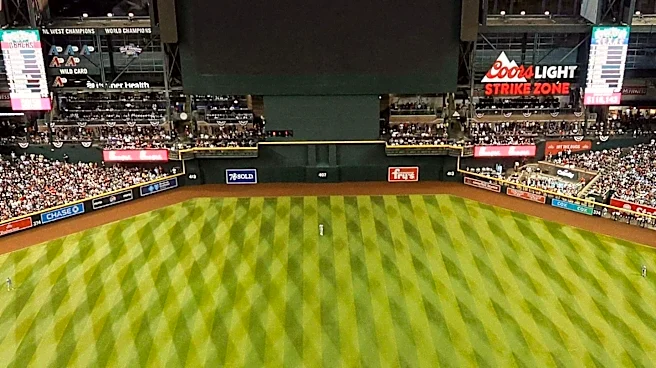
The 1999 NLCS marked the end of the Braves' impressive eight-year streak of consecutive NLCS appearances, which had begun in 1991 (excluding 1994, when the season was canceled). While they would return to the NLCS in 2001, they lost to the eventual World Series champion Arizona Diamondbacks in five games. The 1999 pennant was the last one won by the Braves until 2021, when an 88-win Braves team pulled off one of the biggest upsets in postseason history, defeating a 106-win Los Angeles Dodgers team in six games en route to a World Series title. The 1999 season, therefore, stands as a significant milestone in the Braves' storied history, representing both a peak of their consistent success and a turning point before a period of rebuilding.