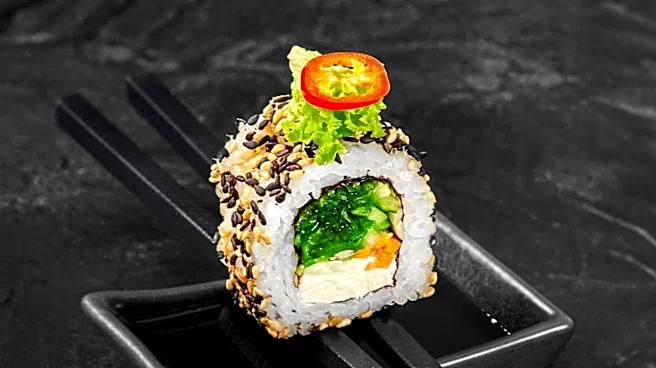









Sushi is more than just a dish; it is a cultural icon that represents the essence of Japanese cuisine. Its journey from a local delicacy to a global phenomenon is a testament to its cultural significance and adaptability. This article explores the cultural impact of sushi, both within Japan and around the world.
Sushi in Japanese Culture
In Japan, sushi is deeply rooted in tradition and is considered a symbol of Japanese culinary art. The meticulous preparation of sushi, from
the selection of ingredients to the precise cutting techniques, reflects the Japanese values of precision and attention to detail. Sushi chefs, or itamae, undergo years of training to master their craft, highlighting the importance of skill and dedication in Japanese culture.
Sushi is often associated with special occasions and celebrations in Japan. It is a staple at festivals and family gatherings, symbolizing prosperity and good fortune. The dish's presentation, with its vibrant colors and artistic arrangement, is a reflection of the Japanese aesthetic of wabi-sabi, which finds beauty in simplicity and imperfection.
The Globalization of Sushi
Sushi's journey beyond Japan began in the 20th century, as it gained popularity in Western countries. The introduction of conveyor belt sushi in the 1970s made sushi more accessible and affordable, contributing to its global spread. Today, sushi is enjoyed in various forms worldwide, with adaptations like the California roll catering to Western tastes.
The globalization of sushi has led to a fusion of flavors and styles, with chefs experimenting with new ingredients and techniques. Despite these modern twists, traditional sushi remains highly regarded for its authenticity and craftsmanship. The global popularity of sushi has also increased awareness and appreciation of Japanese culture, making it a culinary ambassador for Japan.
Sushi as a Cultural Bridge
Sushi's ability to transcend cultural boundaries has made it a symbol of cultural exchange and understanding. It has introduced people around the world to Japanese culinary traditions and has fostered a greater appreciation for Japanese culture. Sushi restaurants have become cultural hubs, where people can experience the art of sushi-making and learn about Japanese customs.
In conclusion, sushi is more than just a dish; it is a cultural icon that embodies the spirit of Japan. Its global popularity is a testament to its universal appeal and its role as a cultural bridge. As sushi continues to evolve and adapt, it remains a beloved symbol of Japanese culture and a testament to the power of food to connect people across cultures.