







The 1992 Landers earthquake was a significant seismic event that struck Southern California on June 28, 1992. With a magnitude of 7.3, it was one of the largest earthquakes to hit the region in recent history. The earthquake's epicenter was near the town of Landers in San Bernardino County, and it caused widespread shaking that was felt across Southern California. Despite its strength, the earthquake resulted in relatively minimal damage and loss
of life, largely due to its location in a sparsely populated area.
Characteristics of the Earthquake
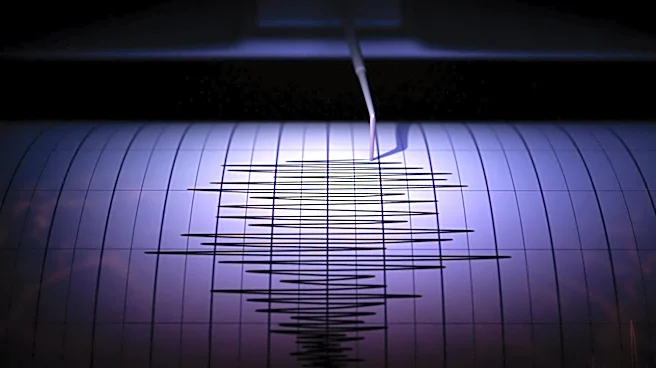
The Landers earthquake occurred at 4:57 a.m. local time and lasted for two to three minutes. It was a right-lateral strike-slip event, which means that the ground on either side of the fault moved horizontally past each other. The earthquake involved the rupture of several faults, including the Johnson Valley, Kickapoo, Homestead Valley, Emerson Valley, and Camp Rock faults. The surface rupture extended for about 70 kilometers, with a maximum horizontal displacement of 5.5 meters and a vertical displacement of 1.8 meters.
The earthquake's magnitude of 7.3 made it a powerful event, but its impact was mitigated by its location in the Mojave Desert, an area with low population density. This factor helped to minimize the damage and casualties compared to other earthquakes of similar magnitude that have occurred in more densely populated areas.
Immediate Impact and Damage
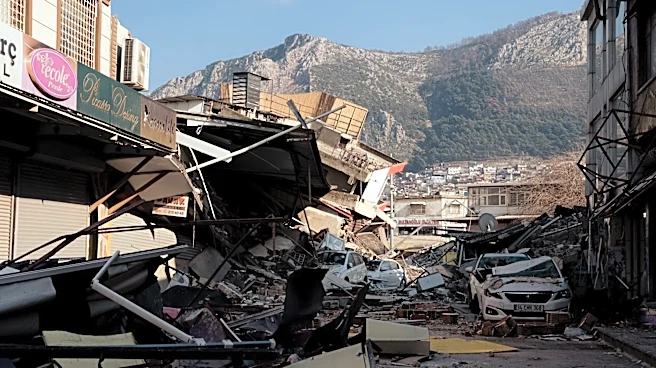
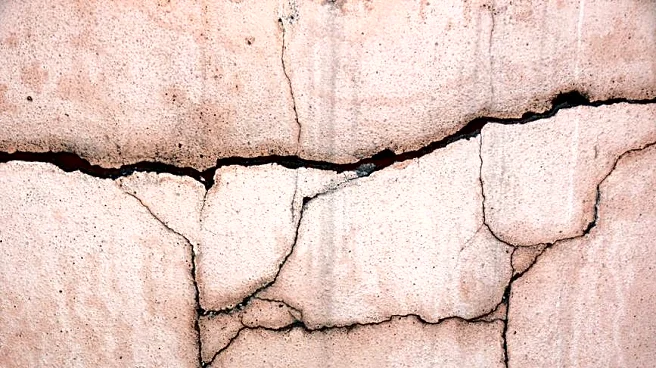
The Landers earthquake caused significant damage in the area surrounding the epicenter. Roads were buckled, buildings and chimneys collapsed, and large surface fissures appeared. In the Los Angeles Basin, the damage was less severe, with most of it involving items falling off shelves. The remote location of the epicenter meant that no freeway bridges collapsed, unlike in the 1994 Northridge earthquake.
Electricity was cut to thousands of residents, but it was generally restored within a few hours. The earthquake also caused some damage to homes from water displaced from swimming pools. Despite the severity of the shaking, the loss of life was minimal, with two people dying from heart attacks and a three-year-old boy losing his life due to falling bricks.
Related Seismic Activity
The Landers earthquake was part of a regional seismic sequence that included other significant events. It was preceded by a magnitude 6.1 earthquake in Joshua Tree on April 23, 1992. On the same day as the Landers earthquake, a magnitude 6.5 earthquake occurred in Big Bear, initially thought to be an aftershock but later determined to be a separate event. The following day, a magnitude 5.7 earthquake struck near Yucca Mountain, Nevada, possibly triggered by the Landers earthquake.
These events highlight the complex nature of seismic activity in the region and the interconnectedness of fault systems. The Landers earthquake and its related events have provided valuable insights into the behavior of earthquakes and the stress adjustments that occur in the Earth's crust.