
Pranayama, a fundamental practice within various traditions of Hinduism, particularly yoga, centers on the conscious control of breath. Far more than simple breathing exercises, pranayama involves specific
techniques designed to regulate the breath, often with the aim of stabilizing the mind and enhancing spiritual or physical well-being. Its significance is deeply embedded in ancient texts and continues to be a cornerstone of modern yoga practices, offering a structured approach to breath manipulation for diverse benefits.
Defining Pranayama: Control and Expansion of Breath
The term "pranayama" itself carries multiple layers of meaning, reflecting its complex nature. V. S. Apte's definition of *āyāmaḥ* derives it from *ā + yām*, suggesting meanings like "length," "expansion, extension," and "stretching, extending." However, when used in the compound *prāṇāyāmaḥ*, Apte defines *āyāmaḥ* as meaning "restrain, control, stopping." This highlights the dual aspect of pranayama: both the expansion of vital energy (prana) and the disciplined control over the breath.
Monier-Williams further defines the compound *prāṇāyāma* as referring to the "three 'breath-exercises' performed during Saṃdhyā." This technical definition points to a specific system of breath control involving three processes: *pūraka* (inhalation), *kumbhaka* (retention), and *rechaka* (exhalation). While this three-step model is prominent, it's important to note that other processes of pranayama exist beyond this particular structure, indicating a rich and varied tradition of breath control techniques.
Pranayama in Ancient Hindu Texts
The practice of pranayama is not a modern invention but is deeply rooted in ancient Hindu scriptures. The Bhagavad Gītā, a revered text, mentions pranayama in verse 4.29. This verse describes practitioners offering the *prana* breath into the *apana* (breathing out) and the *apana* into the *prana*, while simultaneously restraining the movement of both through the practice of pranayama. This illustrates an early understanding of breath control as a means of balancing internal energies.
Another foundational text, the Yoga Sutras of Patanjali, identifies pranayama as the fourth "limb" of the eight limbs of Ashtanga Yoga, as stated in verse 2.29. Patanjali, a significant Rishi, elaborates on his specific approach to pranayama in verses 2.49 through 2.51, and dedicates verses 2.52 and 2.53 to explaining the benefits derived from its practice. Interestingly, Patanjali does not fully elucidate the nature of *prana*, suggesting that the theory and practice of pranayama likely underwent significant development after his time, evolving into the diverse forms known today.
Techniques and Benefits in Hatha Yoga
The Indian tradition of Hatha yoga has extensively incorporated and developed various pranayama techniques. The 15th-century text, the Hatha Yoga Pradipika, is a key resource in this tradition, detailing forms of pranayama such as *Kumbhaka* breath retention and various body locks (*Bandhas*). These practices are often integrated to enhance the effects of breath control and direct vital energy within the body.
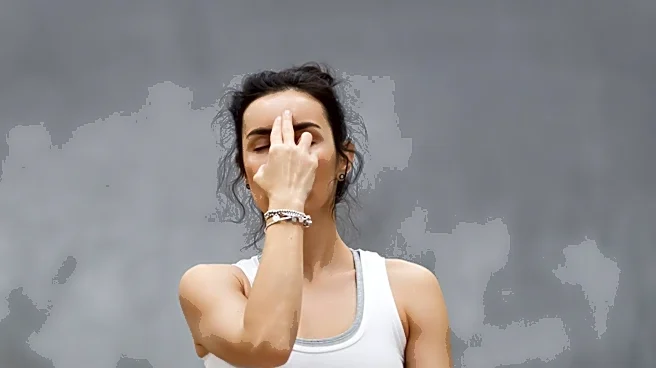
Beyond these foundational techniques, Hatha yoga encompasses a wide array of specific pranayama methods. These include *Nadi Shodhana*, also known as alternate nostril breathing or *Anuloma Viloma*, which aims to balance energy channels. *Ujjayi* ("Victorious Breath") is a modern technique frequently used in Ashtanga (vinyasa) yoga. Other notable forms are *Sitali* (breathing through the rolled tongue), *Bhastrika* ("Bellows Breath"), *Kapalabhati* ("Skull-shining Breath," a *Shatkarma* purification), *Surya Bhedana* ("Sun-piercing Breath"), and *Bhramari* (buzzing like a bee), which is often described as a soothing technique. These diverse methods highlight the adaptability and richness of pranayama, catering to different purposes and effects, from purification to calming the nervous system.
Pranayama's Role in Mind Stabilization and Overall Practice
Patanjali, in verse 1.34 of the Yoga Sutras, introduces pranayama as a method specifically aimed at stabilizing the mind. The practice involves two primary techniques: *pracchardana*, which is exhalation entailing expelling air from the stomach through the nostrils, and *vidharana*, which focuses on the controlled restraint of breath. These techniques are not merely physical exercises but are understood as tools to gain control over mental fluctuations.
Pranayama is considered crucial for advanced practitioners, aiding them in achieving mastery over the mind and complementing meditation practices. By regulating breath, it helps in achieving a light body and a steady mind, creating a conducive state for deeper meditative experiences. Yoga teachers, such as B. K. S. Iyengar, have emphasized that pranayama should not be practiced in isolation but as an integral part of an overall yoga practice. They advise that it should be combined with the other limbs of Patanjali's Raja Yoga teachings, particularly Yama (ethical restraints), Niyama (observances), and Asana (physical postures), to achieve holistic benefits and ensure a balanced and effective spiritual journey.