


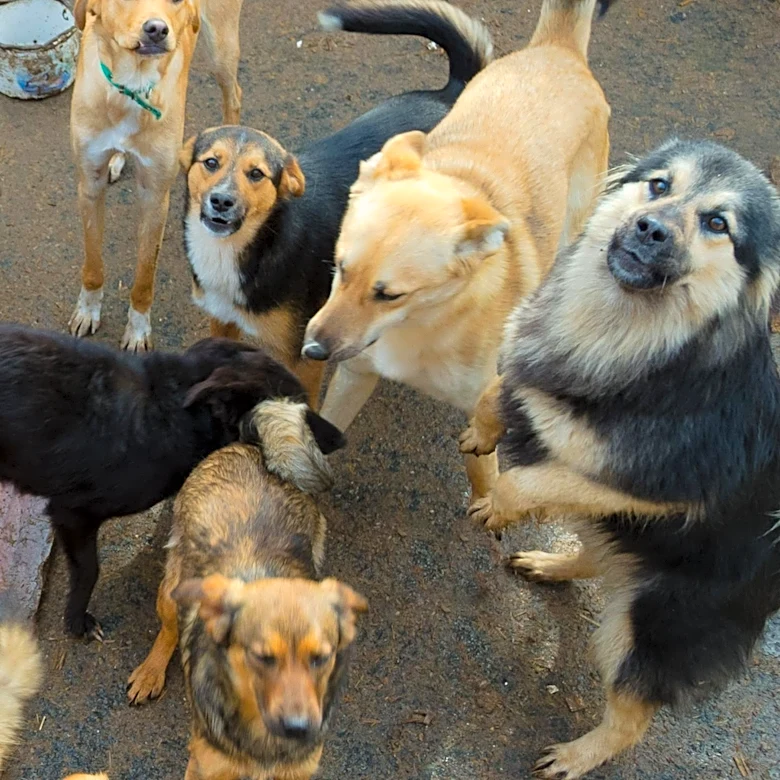





The history of feeding domestic animals has evolved significantly, moving from simple scraps and leftovers to a highly specialized industry producing a wide array of pet foods and treats. For thousands of years, dogs, for instance, adapted to survive on the remnants of human existence, thriving on a varied diet that included both meat and non-meat items. This long-standing practice laid the groundwork for how humans would eventually approach the nutritional
needs of their animal companions, leading to the development of specific formulations designed to support pet health and well-being. The journey from basic sustenance to scientifically formulated pet treats reflects a growing understanding of animal nutrition and a changing relationship between humans and their pets.
Early Practices and Historical Records
Before domestication, canines were self-sufficient, relying on a carnivorous diet. As humans began to integrate dogs into their lives for protection, work, and companionship, they also started to take responsibility for their nutritional needs. Historical records dating back at least 2,000 years illustrate this evolving approach. For example, in 37 BCE, Virgil mentioned feeding dogs in his *Bucolics*, suggesting that swift Spartan hounds and fierce Mastiffs should be fed with rich whey. Around 70 CE, Columella, in his book *On Agriculture*, provided more detailed advice, recommending barley meal mixed with whey for dogs in large rural areas, or spelt or wheat bread mixed with warm liquid from cooked beans for those in orchards without pasture. He specifically warned against boiling liquids, as he believed it could cause rabies.
Further historical texts reveal continued attention to canine diets. The Avesta, written between 224 and 651 CE, advised providing dogs with milk, fat, and meat as their proper food. By medieval times, as dogs became more regarded as pets rather than solely workers, their diet quality improved. They received bran bread, some meat from hunts, and if sick, were given better foods like goat's milk, bean broth, chopped meat, or buttered eggs. This period marked a shift towards more deliberate and varied feeding practices, acknowledging the dog's role beyond mere utility.
The Emergence of Commercial Pet Food
The concept of specially prepared food for pets began to take shape in the 18th century. In France, the term *pâtée* emerged, initially referring to a paste for poultry, but by 1756, dictionaries indicated it was a mixture of bread crumbs and small pieces of meat given to pets. An encyclopedia in 1781 described an earlier practice of mixing a downed stag's liver, heart, and blood with milk, cheese, and bread for dogs. However, not all advice was consistent; in 1844, French writer Nicolas Boyard cautioned against feeding dogs tallow graves, which were favored in England, suggesting instead a meat-flavored soup with coarse bread.
In England, specific dietary advice for dogs also appeared in the late 18th century. *The Sportsman's Dictionary* (1785) recommended barley meal, wheat flour dross, or a mixture of both with broth or skimmed milk. It also suggested greaves (tallow dregs) mixed with flour, or baked/boiled sheep's feet, and emphasized that any flesh given should always be boiled. This detailed guidance highlights a growing awareness of canine dietary needs and the desire to optimize their health, especially for working dogs. By 1833, *The Complete Farrier* provided even more extensive advice, noting that dogs are neither wholly carnivorous nor herbivorous, but require a mixture of both, with a greater portion of meat determined by their physical exertion.
The Birth of the Modern Pet Treat Industry
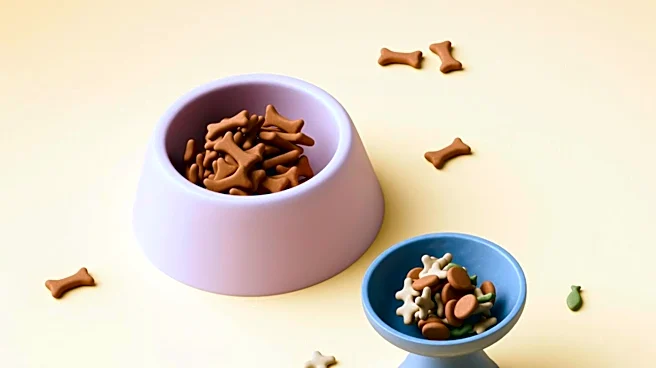
The mid-1800s marked a pivotal moment with the creation of the first food specifically for dogs. James Spratt, an American electrician living in London, observed dogs eating discarded biscuits around a shipyard. This observation inspired him to create the first dog treat, formulated from wheat meals, vegetables, and meat. By 1890, production of Spratt's dog food had begun in the United States, under the name "Spratt's Patent Limited." This innovation laid the foundation for the commercial pet food industry.
Following World War I, canned horse meat was introduced in the U.S. under the Ken-L Ration brand, utilizing excess horses no longer needed for wartime efforts. The 1930s saw further advancements with the Gaines Food Co. introducing canned cat food and dry meat-meal dog food. By the end of World War II, pet food sales had soared to $200 million, indicating a rapidly growing market. The 1950s brought more corporate involvement, with Spratt's becoming part of General Mills, and companies like Nabisco, Quaker Oats, and General Foods recognizing pet food as a profitable avenue for marketing by-products. This period solidified pet food, including treats, as a significant and evolving consumer product category, moving far beyond its humble beginnings of kitchen scraps.