


The Juno spacecraft represents a significant departure from previous missions to the outer solar system, primarily due to its innovative use of solar panels for power. This article examines the unique design of Juno, highlighting the challenges and advantages of using solar energy in deep space exploration.
Solar Panels: A Bold Choice
Unlike earlier spacecraft sent to the outer solar system, which relied on radioisotope thermoelectric generators, Juno is powered by solar panels.
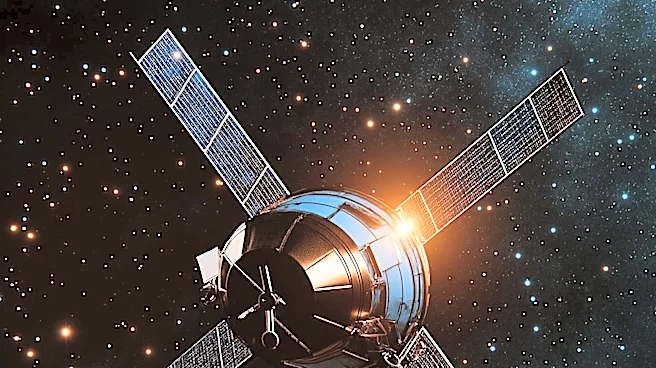
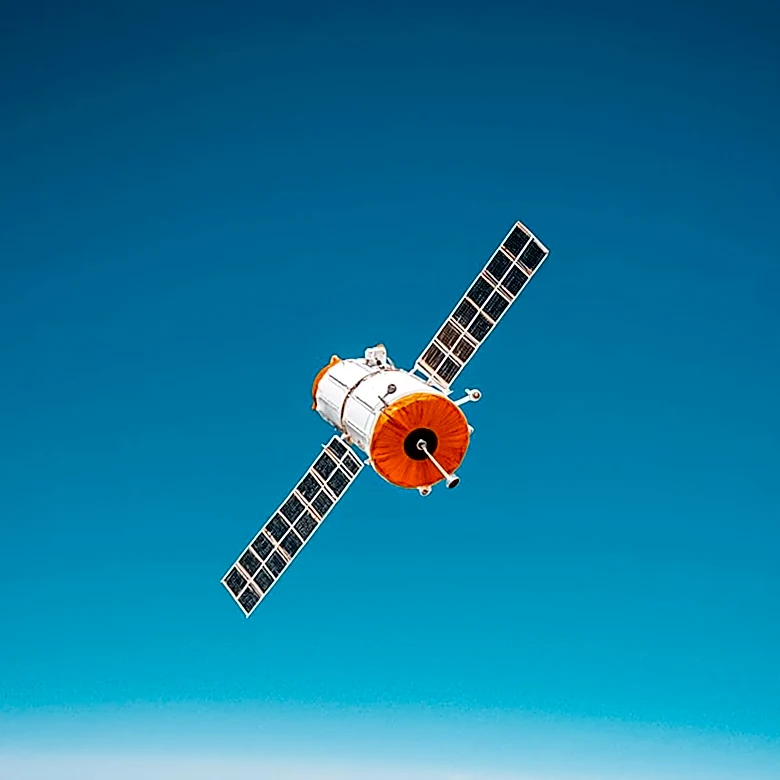
This choice was driven by advancements in solar technology and the desire to reduce reliance on nuclear power sources. Juno's solar panels are the largest ever deployed on a planetary probe, providing 50 square meters of active cells.
The panels are symmetrically arranged around the spacecraft, with two panels having four hinged segments each and the third panel having three segments and a magnetometer. This design not only generates power but also plays a crucial role in stabilizing the spacecraft during its mission.
Challenges of Solar Power in Deep Space
Operating solar panels in the outer solar system presents unique challenges. The intensity of sunlight at Jupiter is only about 4% of that at Earth, requiring Juno's panels to be exceptionally large to capture sufficient energy. The spacecraft's design had to account for the reduced solar input while ensuring it remained operational throughout its mission.
Juno's solar panels were deployed shortly after clearing Earth's atmosphere, marking a critical step in its journey. The panels have proven effective in maintaining the spacecraft's power needs, allowing it to conduct scientific observations and communicate with Earth.
Advantages and Implications
The use of solar panels on Juno has demonstrated the feasibility of solar power for deep space missions. This approach reduces the need for nuclear materials, offering a safer and more sustainable option for future exploration. Juno's success has paved the way for other missions to consider solar power as a viable energy source.
As of 2026, Juno remains operational, showcasing the durability and effectiveness of its solar-powered design. The spacecraft's ability to function in the harsh environment of the outer solar system is a testament to the ingenuity and foresight of its designers.
Juno's unique design has set a precedent for future missions, highlighting the potential of solar power in deep space exploration. Its success underscores the importance of innovation in overcoming the challenges of exploring distant worlds, contributing to our understanding of the solar system and beyond.