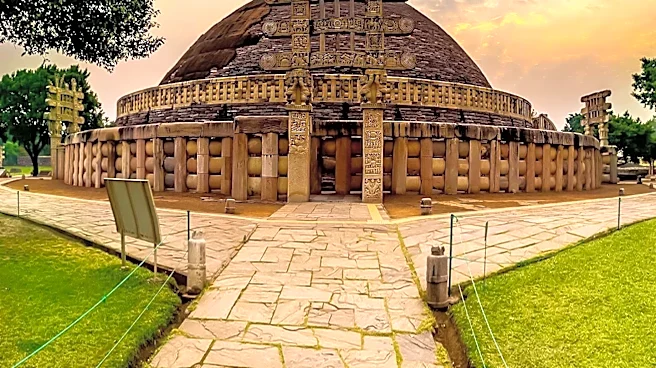







Religious cosmology offers a fascinating insight into how various faiths perceive the universe's origin, structure, and ultimate fate. These cosmologies provide a framework for understanding the world and our place within it, often incorporating beliefs about creation, evolution, and the significance of existence. By examining different religious cosmologies, we can gain a deeper appreciation for the diverse ways in which faith shapes our understanding of the universe.
Zoroastrian Cosmology: A Cosmic Conflict
Zoroastrian cosmology presents the universe as a manifestation of a cosmic conflict between existence and non-existence, good and evil, and light and darkness. This conflict spans over a period of 12,000 years, divided into four equal periods. During the first period, known as Infinite Time, the forces of good and evil remained in balance within their respective spheres.
Ahura Mazda, the good spirit, dwelt in the region of light, while Angra Mainyu, the evil spirit, remained in darkness. A great void separated them until Angra Mainyu attacked Ahura Mazda, leading to a battle that continues throughout the ages. This cosmology emphasizes the duality of existence and the ongoing struggle between opposing forces.
Indian Cosmologies: Cycles of Existence
Indian religions, including Buddhism, Hinduism, and Jainism, share a belief in the cyclical nature of existence. In Buddhism, the universe is seen as eternal, with no ultimate beginning or end. The cosmology is based on the Samsara theory, which describes the endless cycles of rebirth and redeath across various realms.
Hindu cosmology also views existence as cyclic, with diverse theories on the universe's creation and structure. The concept of Yuga, or cosmic cycles, plays a central role, with time conceptualized in vast scales. Jain cosmology similarly considers the universe as uncreated and eternal, emphasizing the infinite nature of existence.
The Role of Cosmology in Religious Beliefs
Religious cosmologies not only explain the universe's structure but also influence ethical and social dimensions of faith. They provide a narrative framework for understanding the significance of life and the moral responsibilities of individuals. By describing the spatial layout of the universe, cosmologies help believers navigate their spiritual journey and connect with the divine.
These cosmologies often incorporate symbolic elements, such as Mount Meru in Hindu and Buddhist traditions, which serve as metaphors for spiritual ascent and enlightenment. Through these narratives, religious cosmologies offer a way to explore the mysteries of existence and find meaning in the vastness of the universe.