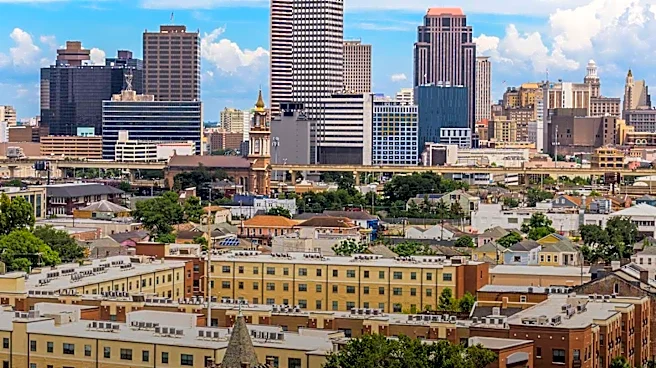






New Orleans stands as a prominent city in the U.S. state of Louisiana, distinguished by its critical location as a major port city situated at the mouth of the Mississippi River. This geographical advantage has historically shaped its development and continues to influence its economic and cultural landscape. Beyond its physical setting, New Orleans also possesses a unique governmental structure, where the city and the parish of Orleans Parish are
legally and administratively unified, setting it apart from many other American municipalities.
The Strategic Importance of the Mississippi River Mouth
The city's existence and prosperity are inextricably linked to its position at the Mississippi River's mouth. This strategic location has long made New Orleans a vital hub for trade and transportation, connecting the vast interior of the United States with global maritime routes. The river serves as a natural artery, facilitating the movement of goods and people, which in turn has fostered a diverse and dynamic urban environment.Being a major port city implies a constant flow of commerce and cultural exchange. The Mississippi River's influence extends beyond mere logistics; it has played a significant role in the city's historical narrative, from its early colonial days to its modern status as an economic engine for the region. The river's presence is not just a geographical feature but a defining characteristic that has shaped New Orleans' identity as a gateway city.
Unified Governance: City and Parish as One
One of the most distinctive aspects of New Orleans is its governmental structure, where the city of New Orleans and the parish of Orleans Parish are legally and functionally the same entity. This consolidation means that the municipal government also serves as the parish government, streamlining administrative processes and creating a singular governing body for the area.This unified system is led by an elected mayor, who holds significant executive power. LaToya Cantrell, for instance, made history when she assumed office in May 2018, becoming the first woman to hold the mayoral position in the city's history. This leadership oversees both city and parish affairs, from public services to urban planning, reflecting the integrated nature of New Orleans' administrative framework. This unique arrangement underscores a deep connection between the urban center and its surrounding administrative district, fostering a cohesive approach to governance.
Cultural and Artistic Hub
Beyond its geographical and governmental distinctiveness, New Orleans is also recognized as a significant cultural and artistic center. The city is home to several notable art museums, which contribute to its vibrant cultural scene. These institutions include the Contemporary Art Center, the New Orleans Museum of Art (NOMA), and the Ogden Museum of Southern Art.These museums showcase a wide range of artistic expressions, from contemporary works to pieces focusing on the unique heritage of the American South. Their presence highlights New Orleans' commitment to preserving and promoting art, further enriching the city's identity as a place where history, commerce, and culture converge. The artistic offerings provide residents and visitors alike with opportunities to engage with diverse forms of creative expression, solidifying the city's reputation as a cultural beacon.