
The Panic of 1907, a severe financial crisis that swept across the United States, found its most dramatic focal point in the collapse of the Knickerbocker Trust Company. As New York City's third-largest
trust at the time, its failure was not merely a symptom of the broader economic downturn but a significant catalyst that intensified and spread the panic throughout the nation. The events surrounding the Knickerbocker Trust Company vividly illustrate the fragility of the financial system in the early 20th century and the profound impact that a single institution's downfall could have on public confidence and market stability.
Origins of a Crisis: Speculation and Mismanagement
The Knickerbocker Trust Company, chartered in 1884, had grown to become a prominent financial institution, serving as a trustee for individuals, corporations, and estates. Its leadership included figures like Charles T. Barney, who became president in 1897. However, it was Barney's involvement in speculative ventures that ultimately led the trust down a perilous path. In 1907, the company's funds were reportedly being used by Barney to support a scheme to corner the market in the United Copper Company's stock. This ambitious gamble, orchestrated by Otto Heinze, brother of copper magnate F. Augustus Heinze, aimed to drive up copper prices by creating a short squeeze.
Barney had a history of financing schemes by Charles W. Morse, a close associate of F. Augustus Heinze. Despite warnings that the capital required for the copper corner was immense, Otto Heinze proceeded. The scheme failed spectacularly when short sellers found alternative sources for United Copper shares, causing the stock price to plummet. This left Otto Heinze ruined and his brokerage house bankrupt. The repercussions quickly reached the Knickerbocker Trust Company, as Barney's association with the failed speculation became public knowledge.
The Run on the Knickerbocker: A Loss of Confidence
The direct link between the failed copper corner and the Knickerbocker Trust Company became undeniable. On October 21, 1907, the board of the Knickerbocker Trust asked Charles T. Barney to resign after he admitted his involvement in the F. Augustus Heinze and Charles W. Morse speculations. This move, likely prompted by initial withdrawals from the trust, was a desperate attempt to restore confidence. However, the damage was already done. The following day, October 22, the National Bank of Commerce, a key player in the New York financial system and where J.P. Morgan held significant influence, announced it would no longer clear checks for the Knickerbocker.
This announcement triggered a classic bank run. From the moment the bank opened, a growing crowd of depositors demanded their funds. The New York Times reported that "as fast as a depositor went out of the place ten people and more came asking for their money." Even the rapid delivery of two van loads of notes failed to calm the panic-stricken depositors. Directors and officials tried to reassure the crowd, but to no avail. In less than three hours, an astonishing $8 million was withdrawn from the Knickerbocker. Shortly after noon, the trust was forced to suspend operations, marking a pivotal moment in the unfolding crisis. The collapse of New York City's third-largest trust sent a wave of fear throughout the city's financial institutions, prompting regional banks to withdraw their reserves from New York City banks and further extending the panic across the nation.
Aftermath and Legacy: A Call for Reform
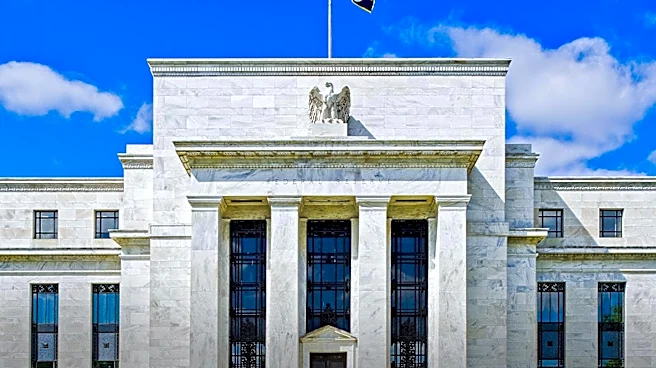
The failure of the Knickerbocker Trust Company was a stark illustration of the vulnerabilities within the U.S. financial system, particularly the lack of a central authority to provide liquidity during a crisis. While financier J.P. Morgan and other bankers intervened to shore up other institutions and prevent a complete collapse, the Knickerbocker itself was deemed insolvent and not directly rescued. The events surrounding its demise, however, served as a powerful impetus for financial reform. The banking crisis, heavily influenced by the Knickerbocker's failure, is widely regarded as the final event that led Congress to form the Federal Reserve System in 1913. The trust company eventually reopened weeks after its forced closing and managed to pay off all depositors in full with interest, but its role as a symbol of the 1907 panic remained etched in financial history.