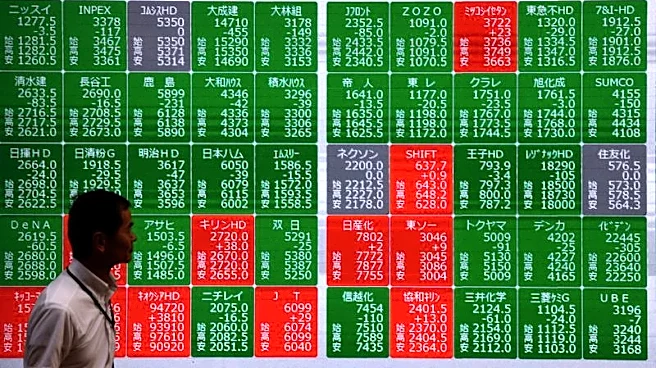








The 2008 financial crisis, while originating in the United States, rapidly evolved into a global economic shock, impacting economies worldwide. The interconnectedness of international financial systems meant that problems in one major market quickly reverberated across others, leading to widespread instability and downturns. This global spread highlighted the vulnerabilities of a highly integrated world economy and necessitated coordinated international responses.
The U.S. as a Global Economic Driver
Before the crisis, the United States played a significant role in driving global consumption. Between 2000 and 2007, U.S. consumption accounted for over a third of the growth in global consumption. This meant that many other countries had become dependent on the U.S. consumer as a primary source of demand for their goods and services. When the U.S. economy began to falter, this dependency created a direct channel for the crisis to spread internationally.
Furthermore, financial products that were at the heart of the crisis, such as toxic securities, were not confined to U.S. investors. Corporate and institutional investors globally held these assets, meaning that the devaluation of these securities caused losses far beyond American shores. Derivatives like credit default swaps also increased the linkages between large financial institutions across different countries, amplifying the potential for contagion.
De-leveraging and its International Consequences
As the crisis deepened, financial institutions began a process of de-leveraging, selling off assets to meet obligations that could no longer be refinanced in frozen credit markets. This process further accelerated the solvency crisis and had a direct impact on international trade. The reduction in available credit made it harder for businesses to finance trade, leading to a decline in global commerce.
Developing countries, in particular, experienced reductions in their growth rates due to falls in trade, commodity prices, and investment. Remittances sent from migrant workers, a crucial source of income for many developing economies, also declined. Countries with fragile political systems faced additional concerns that investors from Western states would withdraw their money due to the crisis, adding another layer of instability.
International Responses and Iceland's Unique Struggle
The global nature of the crisis prompted various international responses. For instance, on Sunday, October 12, European leaders met in Paris and announced recapitalization plans for Europe's banks, including guarantees for bank deposits and mechanisms to increase short-term credit availability. Australia and New Zealand also implemented bank guarantee plans, and the G7 nations pledged to support systemically important financial institutions to prevent failures.
Iceland provides a stark example of the crisis's international impact. The Icelandic króna experienced a dramatic decline against the euro, falling more than 35% from January to September 2008. Inflation soared to 14%, and interest rates were raised to 15.5% to combat it. The Central Bank of Iceland eventually abandoned its attempt to peg the króna to the euro, and trading in the currency collapsed. The country's stock exchange fell by over 90%, and its GDP dropped by 10% in real terms between 2007 and 2010. The Icelandic government had to guarantee domestic deposits, impose strict capital controls, and secure a significant sovereign debt package from the IMF and Nordic countries to stabilize its economy and banking system.