







Labor Day is more than just a day off work; it is a symbol of the American labor movement and a testament to the contributions of workers to the nation's prosperity. Celebrated on the first Monday of September, Labor Day has become an integral part of American culture, representing the struggles and achievements of laborers throughout history. This article explores the cultural significance of Labor Day and its role as a symbol of the labor movement.
The Origins of Labor Day Celebrations
The origins of Labor Day can be traced back to the late 19th century, a time when the labor movement was gaining momentum in the United States. Labor unions, such as the Central Labor Union and the Knights of Labor, were instrumental in advocating for a day to honor workers. The first Labor Day parade, organized in New York City, set the precedent for future celebrations and highlighted the growing influence of labor unions.
Labor Day quickly gained popularity, with states like Oregon leading the way in officially recognizing it as a public holiday in 1887. By 1894, thirty states were celebrating Labor Day, reflecting the widespread acceptance of the idea. The holiday became a platform for labor unions to promote workers' rights and advocate for better working conditions.
Labor Day's Role in the Labor Movement
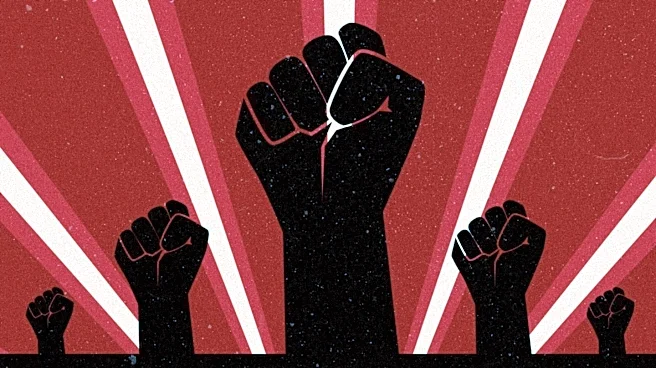
Labor Day has played a significant role in the labor movement, serving as a day of solidarity and reflection for workers across the country. The holiday provided an opportunity for labor unions to organize parades, picnics, and public gatherings, where prominent labor leaders would deliver speeches advocating for workers' rights and social justice.
In 1909, the American Federation of Labor designated the Sunday preceding Labor Day as "Labor Sunday," dedicated to the spiritual and educational aspects of the labor movement. Although Labor Sunday did not gain significant traction in popular culture, it underscored the broader cultural and social significance of Labor Day as a symbol of the labor movement.
The Cultural Impact of Labor Day
Today, Labor Day is celebrated nationwide, marking the unofficial end of summer and the beginning of the school year. It is a time for families and communities to come together, enjoy parades, and participate in various cultural events. The holiday serves as a reminder of the contributions of workers to the nation's development and the ongoing importance of labor rights.
Labor Day's cultural impact extends beyond its historical roots, influencing various aspects of American life, from fashion to sports. It is a day that honors the spirit of the labor movement and the enduring legacy of workers who have shaped the nation's history and continue to drive its progress.