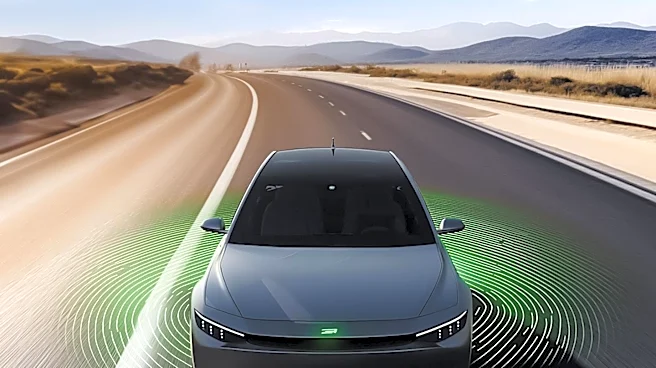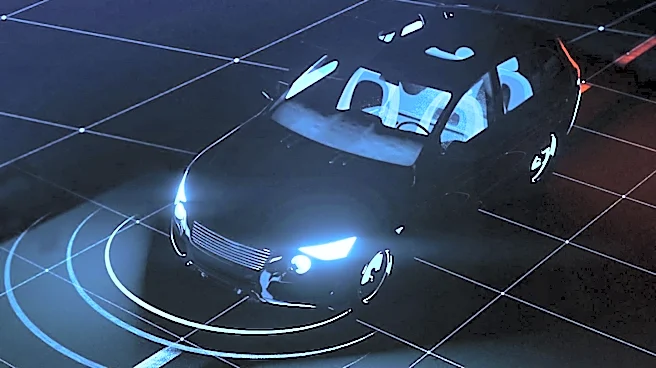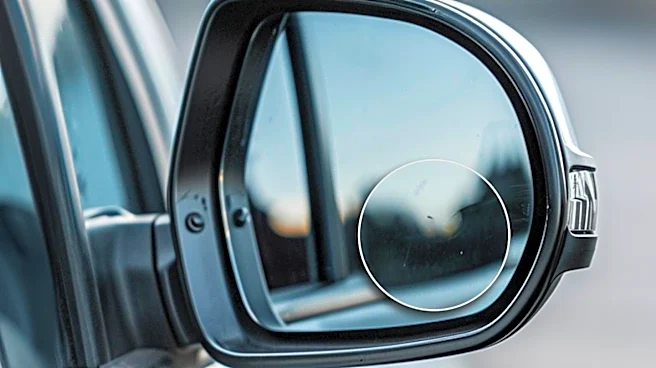








Blind spot monitoring systems have become a crucial safety feature in modern vehicles, helping drivers detect other vehicles in areas that are not visible through mirrors. This article explores the historical development of blind spot monitoring systems, from their initial introduction to their widespread adoption in today's automotive industry.
Early Developments
The concept of blind spot monitoring began gaining traction in the late 20th century. The idea was to create
a system that could alert drivers to vehicles in their blind spots, areas that are not visible through the rearview or side mirrors. The first significant step in this direction was the introduction of the blind corner monitor camera on the Toyota Crown S150, which was produced between 1995 and 1999. This early system laid the groundwork for more advanced technologies that would follow.
Mazda was a pioneer in the field, becoming the first Japanese automaker to offer a blind spot monitoring system, which they called Blind Spot Monitoring (BSM). This feature was initially introduced on the 2008 Mazda CX-9 Grand Touring model. At first, it was only available on the highest trim level, but by 2013, it became standard on both the CX-9 Touring and Grand Touring models.
Expansion and Standardization
Following Mazda's lead, other automakers began to incorporate blind spot monitoring systems into their vehicles. Mazda expanded the availability of BSM to other models, including the Mazda6, Mazda2, Mazda3, CX-3, CX-5, MX-5 Miata, and the upcoming CX-30. This expansion often included BSM as part of an optional package, making it accessible to a broader range of consumers.
The adoption of blind spot monitoring systems was not limited to Mazda. Other manufacturers recognized the safety benefits and began integrating similar technologies into their vehicles. The systems evolved to include additional features, such as Rear Cross-Traffic Alert, which warns drivers of approaching traffic when reversing out of a parking space. This feature further enhanced the safety and convenience of blind spot monitoring systems.
Current Trends and Future Prospects
Today, blind spot monitoring systems are a common feature in many vehicles, reflecting the automotive industry's commitment to enhancing driver safety. These systems have become more sophisticated, offering a range of alerts, including visual, audible, and tactile warnings, to ensure drivers are aware of potential hazards.
As technology continues to advance, the future of blind spot monitoring systems looks promising. Automakers are likely to develop even more integrated and intuitive systems, potentially incorporating artificial intelligence and machine learning to predict and prevent accidents. The ongoing evolution of these systems underscores the importance of innovation in improving road safety and reducing accidents.
In conclusion, the development of blind spot monitoring systems has significantly contributed to vehicle safety. From their early beginnings to their current widespread use, these systems have evolved to become an essential feature in modern vehicles, helping drivers navigate the roads with greater confidence and security.