





Retail formats refer to the various types of retail outlets that cater to different consumer needs and preferences. These formats range from traditional markets to modern online platforms, each offering unique shopping experiences. This article delves into the different retail formats and their impact on consumer behavior and the retail landscape.
Traditional Retail Formats
Traditional retail formats include markets, street vendors, and small family-run stores. These formats have
been around for centuries and continue to play a significant role in many regions. Traditional markets, for example, offer a wide variety of goods, often at competitive prices. They provide consumers with the opportunity to interact directly with sellers, fostering a sense of community and trust.
Street vendors and small stores are also common in traditional retail settings. These outlets typically offer convenience and accessibility, catering to local communities' needs. Despite the rise of modern retail formats, traditional outlets remain popular due to their personal touch and the unique shopping experience they provide.
Modern Retail Formats
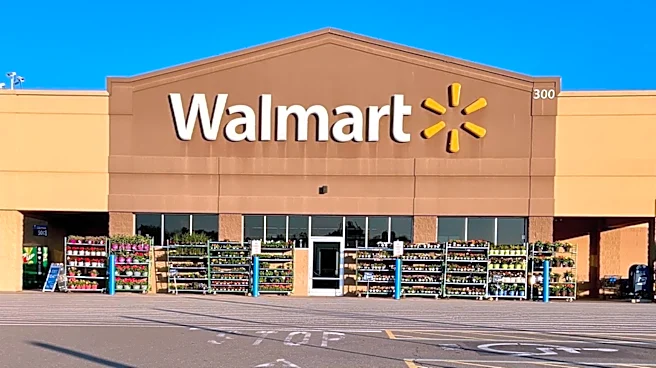
Modern retail formats have evolved to meet the changing needs of consumers. Supermarkets, hypermarkets, and department stores offer a wide range of products under one roof, providing convenience and variety. These formats are designed to cater to busy consumers who prefer one-stop shopping experiences.
Online retailing has also gained popularity, offering consumers the convenience of shopping from home. E-commerce platforms provide access to a vast array of products, often at competitive prices. The rise of online retailing has transformed the retail landscape, forcing traditional retailers to adapt and innovate to remain competitive.
The Influence of Retail Formats on Consumer Behavior
Different retail formats influence consumer behavior in various ways. Traditional formats, with their personal touch and community focus, often attract consumers seeking a more personalized shopping experience. These formats can foster loyalty and repeat business, as consumers develop relationships with sellers.
Modern retail formats, on the other hand, appeal to consumers who prioritize convenience and variety. The ability to purchase a wide range of products in one location or online is a significant draw for many shoppers. Additionally, modern formats often employ marketing strategies and promotions to attract consumers, further influencing purchasing decisions.
In conclusion, retail formats play a crucial role in shaping consumer behavior and the retail landscape. Traditional and modern formats each offer unique advantages, catering to different consumer needs and preferences. As the retail industry continues to evolve, understanding these formats and their impact is essential for retailers looking to succeed in a competitive market.