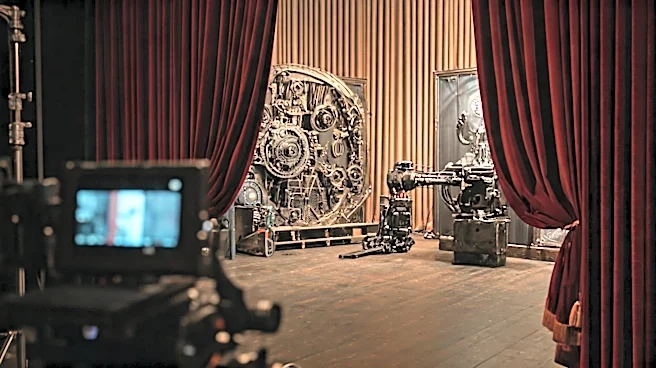








Transformers: Dark of the Moon, released in 2011, is a testament to the collaborative efforts of a talented creative team. Directed by Michael Bay, this third installment in the Transformers series brought together a host of skilled professionals who contributed to its success. This article explores the production elements and the key figures behind the scenes that made the film a visual and auditory spectacle.
The Visionary Director and Creative Team
Michael Bay, known for his dynamic and
visually striking films, directed Transformers: Dark of the Moon. His signature style, characterized by fast-paced action sequences and impressive special effects, was a perfect fit for the Transformers franchise. Bay's direction ensured that the film maintained the high-octane energy that fans had come to expect from the series.
The screenplay was penned by Ehren Kruger, who crafted a story that continued the epic battle between the Autobots and Decepticons. Kruger's writing provided a strong narrative foundation, allowing the film to explore new plotlines while staying true to the essence of the Transformers universe. The collaboration between Bay and Kruger was instrumental in bringing the film's story to life.
Cinematography and Visual Effects
The film's visual appeal was enhanced by the work of cinematographer Amir Mokri, whose expertise in capturing action sequences added depth and intensity to the film. Mokri's cinematography played a crucial role in immersing audiences in the film's world, making the action feel immediate and impactful.
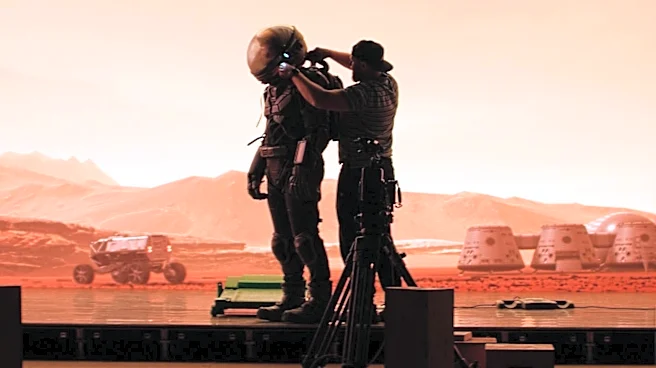
Transformers: Dark of the Moon also benefited from cutting-edge visual effects, which were essential in bringing the Transformers to life on screen. The film's production involved extensive use of CGI to create the intricate and detailed robot characters. This technological prowess was a hallmark of the film, setting a new standard for visual effects in the industry.
Music and Sound Design
The auditory experience of Transformers: Dark of the Moon was equally impressive, thanks to the work of composer Steve Jablonsky. His score provided an emotional backdrop to the film's action, enhancing the dramatic moments and adding to the overall atmosphere. Jablonsky's music was a key component in creating the film's epic feel.
Sound design was another critical element, with the team ensuring that every explosion, transformation, and battle was heard in vivid detail. The sound effects contributed to the film's immersive quality, making the audience feel as though they were part of the action.
In summary, the success of Transformers: Dark of the Moon can be attributed to the combined efforts of a talented creative team. From Michael Bay's direction to the contributions of the cinematography, visual effects, and sound design teams, each element played a vital role in crafting a film that captivated audiences worldwide.