



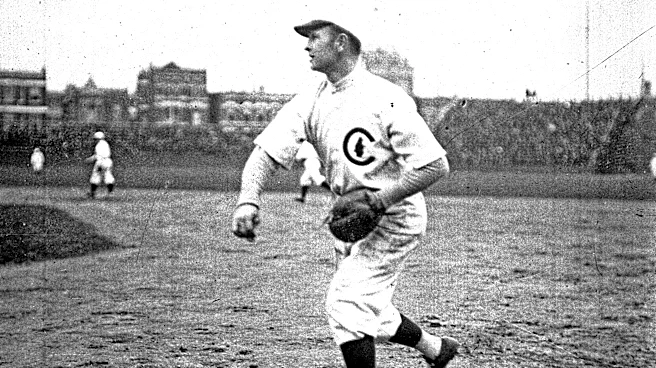

The 1907 World Series represented the pinnacle of Major League Baseball for that season, bringing together the champions of the National League and the American League. This fourth edition of the World Series featured the Chicago Cubs, who were the defending National League champions, and the Detroit Tigers, the American League champions. For the Cubs, this series was more than just a championship; it was an opportunity for redemption after their
unexpected loss in the 1906 World Series. The Tigers, led by their emerging star Ty Cobb, presented a formidable challenge, but the Cubs ultimately showcased a dominant performance that secured their first World Series title.
The Road to the Championship Series
The Chicago Cubs arrived at the 1907 World Series having already established themselves as a dominant force in the National League. They had secured their second consecutive NL pennant, finishing the regular season with an impressive 107 wins and 45 losses. This record placed them 17 games ahead of the second-place Pittsburgh Pirates, clearly demonstrating their superiority within their league. Their consistent performance throughout the season built high expectations for their World Series appearance.
On the other side, the Detroit Tigers entered the series as the American League champions. Their young star, Ty Cobb, was a significant figure, having just claimed his first league batting championship. The Tigers represented a strong challenge, bringing their own brand of competitive baseball to the championship stage. The matchup promised an exciting contest between two of baseball's top teams.
Series Structure and Early Developments
The 1907 World Series was initially scheduled with a specific game distribution: two games in Chicago, followed by three in Detroit, and then a potential sixth game back in Chicago if the series extended that far. The location for a hypothetical seventh game was to be determined by the league office. However, the series unfolded in a way that altered these plans, particularly due to an unusual start.
The first game of the series ended in a tie, a rare occurrence in championship play. This outcome meant that the series did not move to Detroit until Game 4, as the teams had to complete the necessary games in Chicago. This tie added an unexpected element to the series' progression, but it did not deter the Cubs from their ultimate goal. The umpiring duties for each game were handled by a two-man crew consisting of Hank O'Day and Jack Sheridan, ensuring consistent officiating throughout the championship.
Cubs' Dominance: Pitching and Base Running
The Chicago Cubs' victory in the 1907 World Series was characterized by their overwhelming dominance, particularly in pitching and base stealing. They defeated the Detroit Tigers four games to none, with the aforementioned tie. The Cubs' pitching staff proved to be nearly unhittable, allowing only three runs across the four games they won. This stifling performance effectively neutralized the Tigers' offense, including the formidable Ty Cobb.
Beyond their pitching, the Cubs also excelled in their aggressive base running. They managed to steal 18 bases off the Tigers, a tactic that kept Detroit's defense constantly under pressure and contributed significantly to the Cubs' scoring opportunities. This combination of superior pitching and strategic base stealing proved too much for the Tigers, leading to a decisive championship for the Chicago Cubs. This series marked the last time the Tigers were swept in the World Series until 2012.