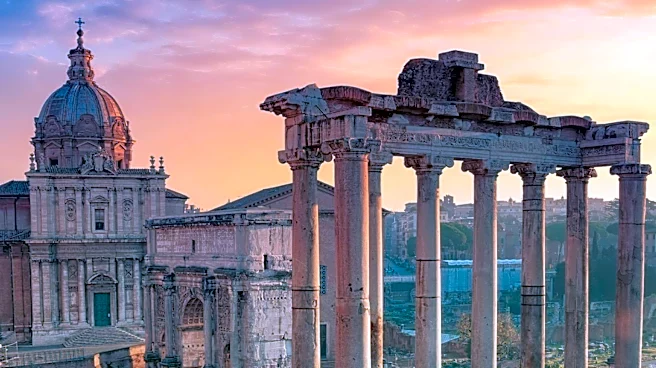










Rome is not only the capital of Italy but also a major center for culture and archaeological research. Known for its ancient sites and cultural institutions, Rome attracts scholars and tourists alike, eager to explore its rich heritage. This article delves into Rome's cultural significance and its contributions to archaeological research.
Ancient Sites and Landmarks
Rome is home to numerous ancient sites that have become symbols of its historical grandeur. The Colosseum, one
of Rome's most iconic landmarks, is regarded as a wonder of the world. Other notable sites include the Forum Romanum, Trajan's Market, and the Pantheon, each offering a glimpse into Rome's past.
These sites are not only tourist attractions but also important centers for archaeological research. Scholars from around the world come to Rome to study its ancient architecture and artifacts, contributing to our understanding of Roman civilization and its impact on the world.
Cultural Institutions
Rome boasts a variety of cultural and research institutes that further its reputation as a hub of knowledge and learning. Institutions such as the American Academy in Rome and The Swedish Institute at Rome provide platforms for scholars to engage in research and cultural exchange.
These institutes play a crucial role in preserving Rome's cultural heritage and promoting its study. They offer resources and support for researchers, fostering a deeper appreciation of Rome's historical and cultural significance.
Rome's Influence on Fashion and Sports
Beyond its archaeological and cultural contributions, Rome is also recognized as a fashion capital. Major luxury fashion houses and jewelry chains, including Bulgari and Fendi, are headquartered in the city. Rome's influence on fashion is evident in its high-end boutiques and designer labels.
Additionally, Rome is home to various sports teams and hosts international sporting events. The Stadio Olimpico serves as the home stadium for the Italy national rugby union team, showcasing Rome's vibrant sports culture.
Rome's role as a cultural and archaeological hub is multifaceted, encompassing ancient history, modern fashion, and sports. Its rich heritage and ongoing contributions to research and culture make it a city of global significance, attracting visitors and scholars from all corners of the world.