




The Battle of Leyte, a pivotal engagement in the Pacific Theater of World War II, commenced with significant amphibious landings on October 20, 1944. This operation, part of a broader strategy to liberate the Philippines from Japanese occupation, was executed two months ahead of its original schedule. The success of these initial landings was crucial for establishing a foothold on Leyte, an island strategically important for its deep-water approaches,
sandy beaches suitable for amphibious assaults, and potential for airbase construction.
These landings were a complex undertaking, primarily carried out and supported by the United States Seventh Fleet, under the command of Vice Admiral Thomas C. Kinkaid. This formidable naval force included a diverse array of ships, notably one British vessel and eleven Australian ships, highlighting the Allied nature of the operation. The objective was to secure key areas on Leyte, paving the way for further ground operations and the eventual liberation of the Philippines.
Preparatory Operations and Initial Assaults
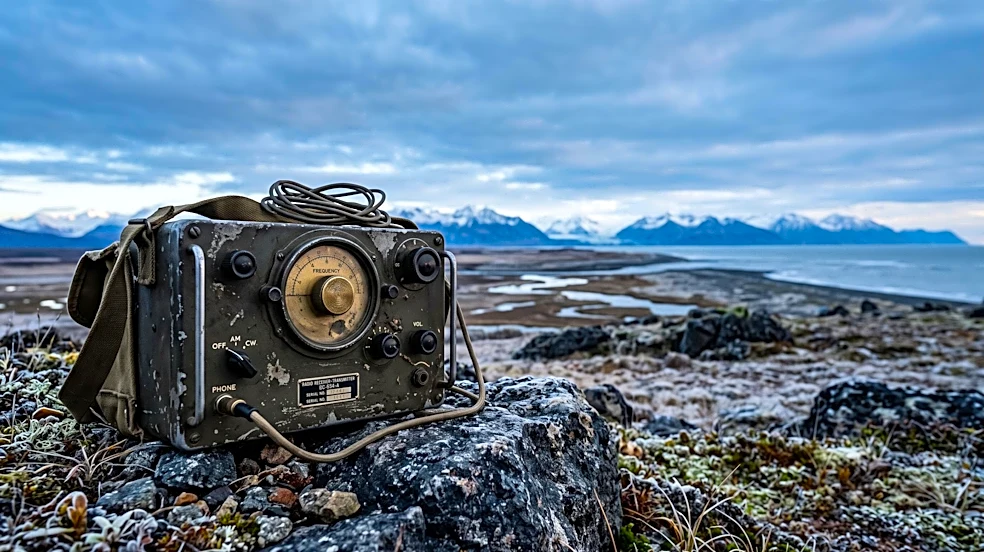
Preliminary operations for the Leyte invasion began on October 17, 1944, with minesweeping tasks and the deployment of the 6th Rangers to three small islands in Leyte Gulf: Suluan, Dinagat, and Homonhon. Despite a storm, the Rangers successfully dispersed Japanese defenders and destroyed a radio station on Suluan, while finding Dinagat unoccupied. Homonhon was secured without opposition the following day. On Dinagat and Homonhon, the Rangers established navigation lights, critical for guiding the incoming amphibious transports.
Simultaneously, reconnaissance by underwater demolition teams confirmed clear landing beaches for the assault troops. On October 20, the 21st Infantry Regiment landed on Panaon Strait to control the entrance to Sogod Bay. Following four hours of intense naval gunfire, forces of the U.S. Sixth Army landed on their designated beaches at 10:00 AM. The X Corps advanced across a four-mile stretch of beach between Tacloban airfield and the Palo River, while 15 miles to the south, XXIV Corps units landed on a three-mile strand between San José and the Daguitan River.
Overcoming Resistance and Securing Beachheads
Upon landing, American troops encountered resistance not only from Japanese fire but also from challenging swampy terrain. Despite these obstacles, units in most sectors managed to secure beachheads deep enough to accommodate heavy vehicles and large quantities of supplies within an hour. Only in the 24th Division sector did enemy fire necessitate a diversion of follow-up landing craft, though this area was also secured by 1:30 PM.
General Douglas MacArthur made his dramatic return to the Philippines on Red Beach at 1:30 PM, announcing to the populace, "People of the Philippines, I have returned! By the grace of Almighty God, our forces stand again on Philippine soil." By the end of the first day, the Sixth Army had advanced one mile inland and established a five-mile-wide front. The 1st Cavalry Division secured Tacloban airfield, and the 24th Infantry Division took control of Hill 522, which overlooked its beachheads. In the XXIV Corps sector, the 96th Infantry Division held the approaches to Catmon Hill, and the 7th Infantry Division secured Dulag and its airfield. The initial fighting resulted in 49 American casualties, 192 wounded, and six missing, while Japanese counterattacks on the 24th Infantry Division's Red Beach during the night were unsuccessful.