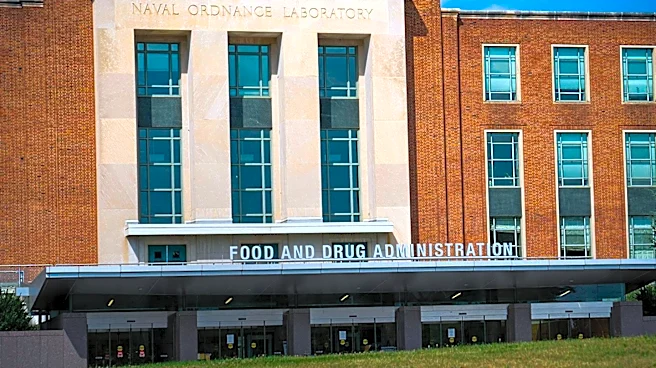








The Food and Drug Administration (FDA) stands as a pivotal federal agency within the United States Department of Health and Human Services, tasked with safeguarding public health through the regulation of food safety and the approval of drugs, among other critical responsibilities. Its journey began with foundational legislation that shaped its authority and scope, evolving over decades to address new challenges in public health and consumer protection.
Headquartered in White Oak, Maryland, the FDA's history is marked by significant legislative acts and organizational changes that have defined its role in American society.
Early Foundations and Naming Conventions
The agency's roots can be traced back to a period before its current well-known name. In 1930, a significant change occurred when the name "Administration des denrées, médicaments et insecticides" was shortened to "Administration des denrées et médicaments," which translates to Food and Drug Administration. This renaming reflected a more focused scope, moving away from insecticides to concentrate on food and drugs, which would become its core areas of regulation. This early adjustment in nomenclature underscored a growing recognition of the need for a dedicated body to oversee these vital aspects of public health.
This period of early development laid the groundwork for the more comprehensive regulatory powers that would follow. The shift in focus indicated an increasing awareness of the impact that food and drug products had on the health and well-being of the population. It set the stage for the agency to become a central authority in ensuring the safety and efficacy of products consumed by the American public.
The Federal Food, Drug, and Cosmetic Act of 1938
A monumental turning point in the FDA's history was the signing of the Federal Food, Drug, and Cosmetic Act in 1938 by President Franklin D. Roosevelt. This act was not merely an administrative update; it was a direct response to a national tragedy. The previous year, a hundred people had died after ingesting sulfanilamide elixir, a medication made toxic by the presence of diethylene glycol. This devastating event highlighted a critical gap in existing regulations and spurred the creation of a more robust legal framework.
The 1938 Act provided the FDA with its foundational authority, granting it significant powers to regulate the safety of food, drugs, and cosmetics. This legislation mandated that new drugs be tested by companies before being submitted for FDA review and approval for marketing. It marked a shift from simply addressing mislabeling or adulteration to requiring pre-market safety evaluations, fundamentally changing how pharmaceutical products were introduced to the American market and giving the FDA a powerful tool to protect consumers.
Expanding Scope and Modern Responsibilities
Over time, the FDA's responsibilities expanded beyond its initial focus. In 1953, the agency was placed under the authority of the U.S. Department of Health, Education, and Welfare, further integrating it into the federal health apparatus. This organizational change reflected the growing importance of the FDA's role in public health policy and administration. The agency's mandate grew to include a wide array of products, reflecting the increasing complexity of consumer goods and medical advancements.
Today, the FDA is responsible for authorizing the marketing of medications in the United States, a critical function that ensures drugs meet stringent safety and efficacy standards before reaching patients. Its regulatory oversight extends to food safety, tobacco products, dietary supplements, prescription and over-the-counter drugs, vaccines, biopharmaceutical products, blood transfusions, medical devices, radiation-emitting devices, cosmetics, animal foods, and veterinary products. This broad scope underscores the FDA's comprehensive role in protecting and promoting public health across numerous sectors.