






Preventing dog bites often hinges on understanding how dogs communicate and reacting appropriately to their signals. Many people misinterpret canine cues, leading to potentially dangerous situations. While a wagging tail is often seen as a universal sign of friendliness, it can actually indicate a range of emotions, including fear, readiness to fight, or anger. Learning to recognize the subtle and overt signs a dog gives before it might bite is a critical
skill for anyone interacting with dogs, whether they are familiar pets or unknown animals. Education on dog body language empowers individuals to act safely and reduce the risk of an encounter escalating into a bite.
Misinterpreting Friendly Signals
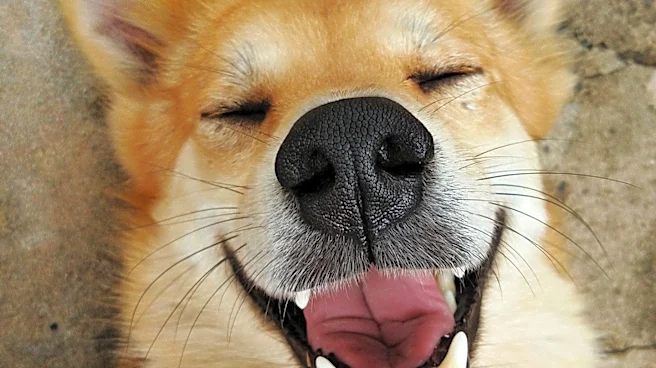
One of the most common misunderstandings in dog-human interaction involves the wagging tail. While often associated with happiness, a wagging tail is not always an invitation for interaction. A dog might wag its tail when it is afraid, preparing to defend itself, or even when it is angry. This complex signal means that relying solely on a wagging tail to gauge a dog's disposition can be misleading and potentially dangerous. Dogs can wag their tail and then bite a person, demonstrating that this single cue is insufficient for assessing a dog's mood or intent. Therefore, it is important to consider the dog's entire body language and the context of the situation rather than just one isolated signal.Recognizing Warning Signs of Aggression
Dogs often provide clear signals when they are feeling threatened or are about to bite. Learning to identify these warning signs can help prevent an attack. A dog that is snarling, has a wrinkled nose, displays eyes that appear black or dilated, and has fur standing up (piloerection) is exhibiting clear signs of aggression and should be approached with extreme caution, or ideally, avoided. These physical manifestations indicate a dog that feels threatened or is preparing to defend itself. Understanding these visual cues allows individuals to recognize a potentially dangerous situation before it escalates, enabling them to take preventative measures such as backing away slowly or remaining still.Safe Interactions: What to Do and What Not to Do
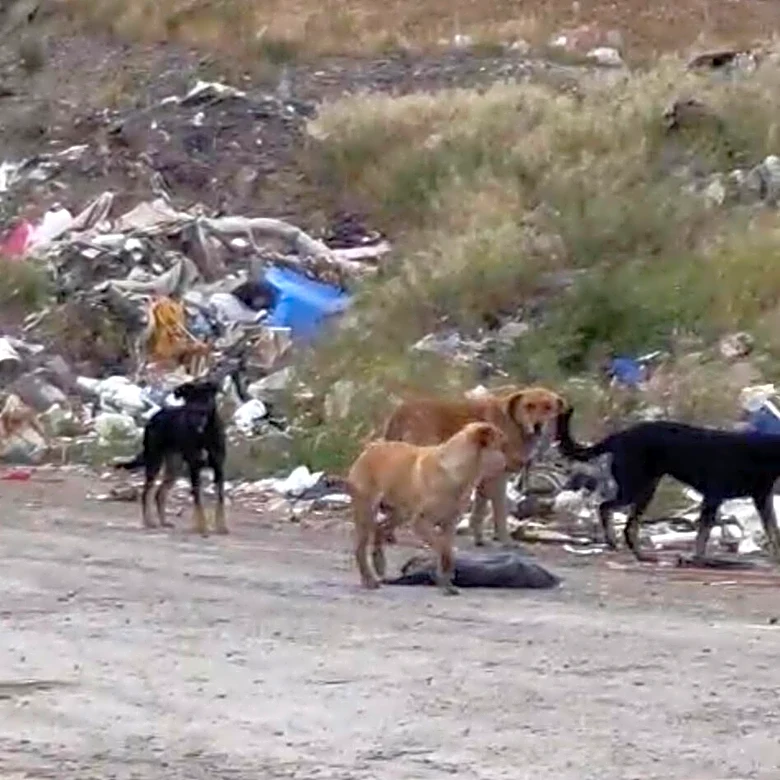
Interacting safely with dogs involves a set of guidelines that can significantly reduce the risk of a bite. It is crucial not to approach a dog you do not know, as its temperament and history are unknown. Similarly, running from a dog can trigger its chase instinct, potentially leading to a pursuit. Instead, if a dog moves toward you, it is best to remain very still. Panicking or making loud noises can also agitate a dog, so maintaining calmness is key. Avoiding direct eye contact is important, as dogs can perceive this as a challenge or a threat.Furthermore, certain actions should be avoided around dogs, especially those that might be protective or vulnerable. Do not go near a dog with puppies, as the mother will likely be highly protective. It is also important not to bother or touch a dog if it is sick, as sick dogs are more prone to biting due to pain or discomfort. Waking a dog by touch can startle it, so calling its name is a safer approach. Taking things out of a dog's mouth or touching it while it is eating can also provoke a defensive reaction. For children, it is essential that small children do not play with a dog by themselves, and dangerous dogs, identified by previous growling, snapping, or biting, should be kept away from children.