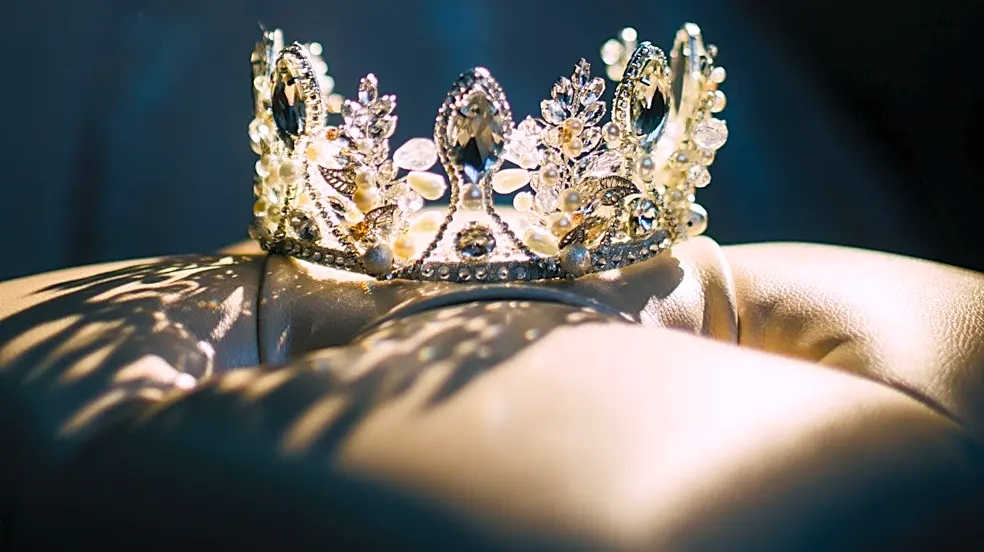









Tiaras, those exquisite head ornaments adorned with jewels, have long been more than just decorative pieces; they have been steeped in social rules and etiquette, particularly in European high society. While often associated with royalty or nobility, the notion that only titled women could wear a tiara is a misconception. Any woman could wear a tiara to events with a white tie dress code, though events in hotels were typically excluded. The intricate
rules surrounding tiara wearing, from marital status to mourning periods, reveal a fascinating social history of these prestigious jewels.
Traditional Rules and Social Status
Traditionally, the wearing of a tiara was closely tied to a woman's marital status. Young women were generally not expected to wear a tiara until they were married. On their wedding day, it was customary for them to wear a tiara owned by their birth family. Once married, the etiquette shifted, and a woman was expected to wear only tiaras that belonged to her husband's family or those that were her own personal property. An exception to this rule was made for unmarried princesses, who were permitted to wear tiaras from the age of eighteen. These strict guidelines underscored the tiara's role as a marker of social standing and familial connection.
However, the 21st century has seen a significant relaxation of these traditional rules. While tiaras still evoke a sense of formality and grandeur, the rigid protocols of the past are no longer strictly applied. This evolution reflects broader changes in social customs and a more individualized approach to personal adornment, even within formal settings. Despite the shift, the tiara continues to symbolize elegance and a connection to historical traditions, albeit with greater freedom in its contemporary application.
Tiaras for Mourning and Design Elements
Beyond celebratory occasions, tiaras also played a role in the somber rituals of mourning. Special black tiaras, crafted from materials like jet, onyx, glass, or steel, were designed to be worn with mourning clothes. As the period of mourning progressed into its later stages, known as second mourning and half mourning, tiaras with specific colored stones became appropriate. Purple stones, such as amethyst, white stones like diamonds and moonstones, or pearls were considered suitable for these transitional periods. This demonstrates the tiara's versatility and its integration into various aspects of social life, even those marked by solemnity.
The design of tiaras themselves often incorporated symbolic elements. They are typically richly decorated with precious stones, pearls, or cameos, frequently arranged in symmetrical patterns. Common motifs include arcs, garlands, circles, stars, and stylized flowers or leaves. Occasionally, more lifelike depictions of flowers, ears of corn, dragonflies, or butterflies are created using gemstones in different colors. The sheer number of diamonds and other precious stones, often hundreds to thousands, positions tiaras among the most expensive and spectacular pieces of jewelry, reflecting both their artistic value and their social significance.