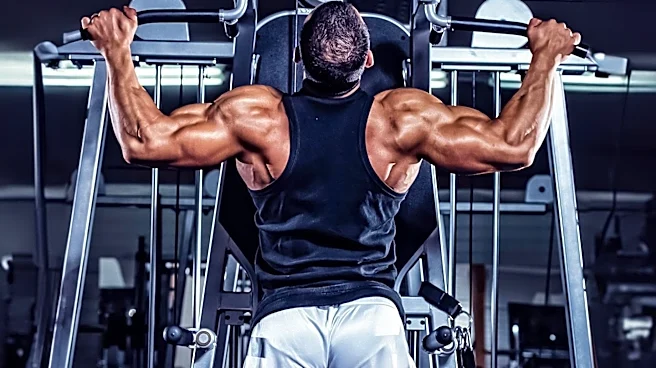





The trapezius muscle is a key player in the movement and support of the upper body. Its unique structure and strategic location allow it to perform a variety of functions that are essential for everyday activities. This article explores the functional aspects of the trapezius muscle, highlighting its importance in human movement and support.
Movement Functions
The trapezius muscle is involved in several movements of the scapula, which is crucial for the mobility of the shoulder
and arm. It is responsible for the rotation, retraction, elevation, and depression of the scapula. These movements are essential for actions such as shrugging, lifting, and pulling, which are common in both daily activities and athletic endeavors.
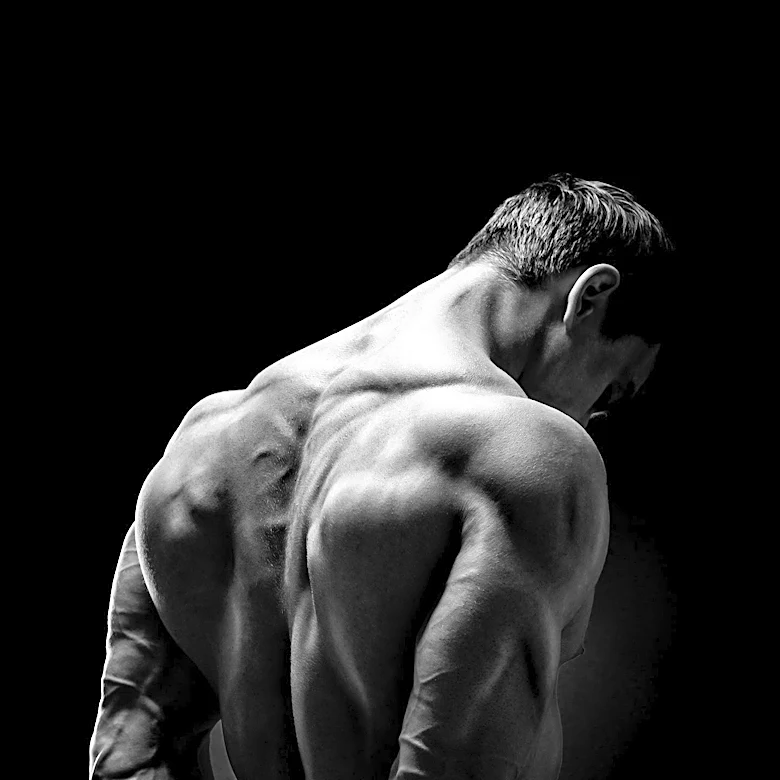
The muscle's superior fibers are primarily involved in elevating the scapula, which is the movement seen when shrugging the shoulders. The middle fibers are responsible for retracting the scapula, pulling it towards the spine, which is important for maintaining good posture. The inferior fibers assist in depressing the scapula, moving it downward, which is necessary for reaching and pushing movements.
Support Functions
In addition to its role in movement, the trapezius muscle provides critical support for the arm and shoulder. It helps stabilize the scapula, ensuring that it remains in the correct position during arm movements. This stabilization is vital for the efficient functioning of the shoulder joint and the prevention of injuries.
The trapezius muscle also contributes to the overall posture of the upper body. By maintaining the position of the scapula and supporting the arm, it helps keep the shoulders aligned and the spine in a neutral position. This support is essential for reducing strain on the neck and back, particularly during prolonged periods of sitting or standing.
Importance in Physical Health
The health and functionality of the trapezius muscle are crucial for overall physical well-being. Weakness or dysfunction in this muscle can lead to poor posture, shoulder pain, and limited range of motion. Strengthening and stretching exercises can help maintain the muscle's health, improving its ability to perform its functions effectively.
In conclusion, the trapezius muscle plays a vital role in both movement and support of the upper body. Its ability to facilitate a wide range of scapular movements and provide essential support for the arm and shoulder underscores its importance in maintaining physical health and preventing injuries.