

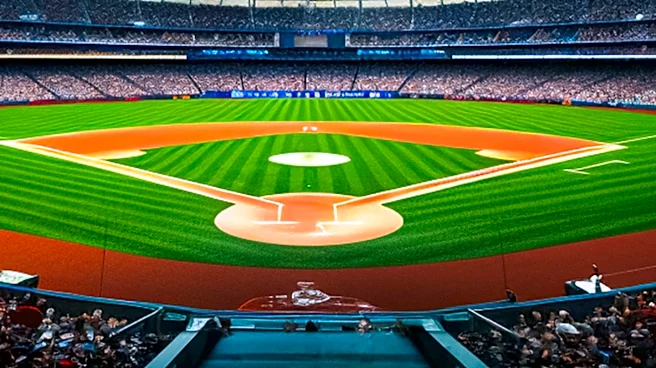



The 1935 Major League Baseball All-Star Game was not only a significant event on the field but also a milestone in sports broadcasting. Held at Cleveland Stadium, the game was broadcasted by major radio networks, including CBS, NBC, and Mutual, bringing the excitement of the All-Star Game to fans across the United States. This article examines the role of radio in the 1935 All-Star Game and its impact on the evolution of sports media.
The Role of Radio in the 1935 All-Star Game
In 1935, radio
was a primary medium for sports fans to follow their favorite teams and players. The All-Star Game, featuring the best players from the American and National Leagues, was a perfect opportunity for radio networks to captivate a national audience. CBS, NBC, and Mutual seized this opportunity, providing comprehensive coverage of the game.
Prominent announcers such as Jack Graney, France Laux, Tom Manning, and Graham McNamee brought the game to life for listeners. Their vivid descriptions and engaging commentary allowed fans to experience the excitement of the All-Star Game from the comfort of their homes. This widespread radio coverage helped to elevate the All-Star Game's status as a major sporting event and demonstrated the power of radio as a tool for connecting fans with the action on the field.
Impact on Sports Media
The successful radio broadcast of the 1935 All-Star Game marked a turning point in sports media. It showcased the potential of radio to reach a vast audience and provided a model for future sports broadcasts. The ability to bring live sports events into homes across the country helped to increase the popularity of baseball and other sports.
Radio broadcasts also played a crucial role in shaping the way fans experienced sports. Announcers became key figures in the sports world, with their voices becoming synonymous with the games they covered. The 1935 All-Star Game highlighted the importance of skilled announcers in creating an engaging and immersive experience for listeners.
Legacy of the 1935 Broadcast
The radio coverage of the 1935 MLB All-Star Game set a precedent for future sports broadcasts. It demonstrated the potential of radio to enhance the fan experience and expand the reach of sporting events. This broadcast helped to establish the All-Star Game as a must-listen event and contributed to the growth of baseball's popularity in the United States.
Overall, the 1935 All-Star Game was a landmark moment in the history of sports broadcasting. It highlighted the power of radio to connect fans with the action and laid the groundwork for the future of sports media. The game's successful broadcast remains a testament to the enduring impact of radio on the world of sports.