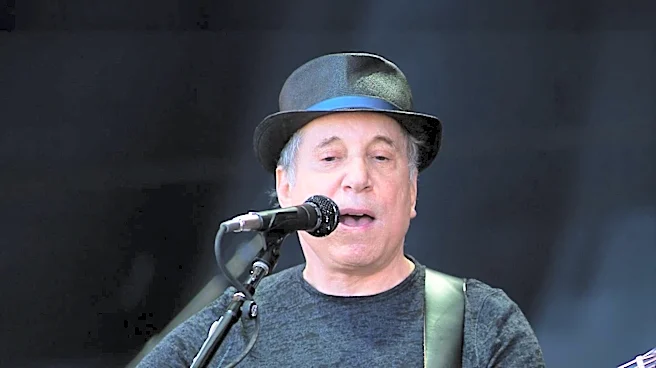








Simon & Garfunkel, the iconic American folk and rock music duo, crafted a distinctive sound that continues to captivate audiences decades after their initial rise to fame. Their music is characterized by intricate vocal harmonies, thoughtful lyrics, and a blend of genres that set them apart in the vibrant music scene of the 1960s. From their early days mimicking the Everly Brothers to their sophisticated later works, Paul Simon and Art Garfunkel developed
a musical identity that transcended simple categorization, leaving behind a rich catalog of songs that are still celebrated today.
Harmonious Beginnings and Genre Blending
Art Garfunkel's love for singing began at a young age, with him enjoying the echo of stairwells and practicing songs like "Unchained Melody." His father even bought him a wire recorder, which Garfunkel used to meticulously refine his vocal technique. This early dedication to singing, combined with Paul Simon's burgeoning songwriting talent, formed the bedrock of their musical partnership. They first performed together as "Tom & Jerry" in 1957, drawing inspiration from the Everly Brothers' close two-part vocal harmonies. This foundational influence is evident in the seamless blend of their voices that would become a hallmark of their later work.
As Simon & Garfunkel, they evolved beyond simple folk music, incorporating elements of rock and even world music into their sound. This genre-bending approach allowed them to create a diverse body of work that appealed to a broad audience. Their ability to weave together different musical textures while maintaining their core folk sensibilities was a key factor in their widespread appeal and critical acclaim.
Iconic Songs and Cultural Resonance
Simon & Garfunkel's discography is replete with songs that have achieved iconic status. Tracks like "Mrs. Robinson," "So Long, Frank Lloyd Wright," "The Sound of Silence," and "Bridge over Troubled Water" are not just popular songs; they are cultural touchstones. All composed by Paul Simon, these songs showcase his lyrical depth and melodic craftsmanship. "The Sound of Silence," in particular, marked a turning point in their career. After its initial release on their debut album, *Wednesday Morning, 3 A.M.*, it was re-released with an electric backing, propelling it to number one on the Billboard pop charts and launching the duo into superstardom.
Their music also found its way into other forms of media, notably their contribution to the soundtrack of the 1967 Mike Nichols' film *The Graduate*. The song "Mrs. Robinson," originally considered with the title "Mrs. Roosevelt" by Simon, became synonymous with the film and further cemented their place in popular culture. The enduring popularity of these songs speaks to their timeless quality and their ability to connect with listeners across generations.
A Legacy of Influence and Performance
Despite their eventual breakup in 1970, Simon & Garfunkel's musical influence has persisted. Their albums, including *Sounds of Silence*, *Parsley, Sage, Rosemary and Thyme*, *Bookends*, and *Bridge over Troubled Water*, are considered classics of the folk-rock genre. *Bridge over Troubled Water* was particularly successful, reaching number one in multiple countries and achieving eight-times platinum certification. Their impact is not just measured in record sales but also in the way their music has inspired countless artists.
Even after their separation, the duo reunited for significant performances, demonstrating the lasting power of their musical partnership. Their free concert in New York City's Central Park in 1981 stands as a testament to their enduring appeal, drawing an estimated 500,000 people. This event underscored the deep connection their music had forged with a massive audience, solidifying their legacy as one of the most important and beloved musical duos in American history.