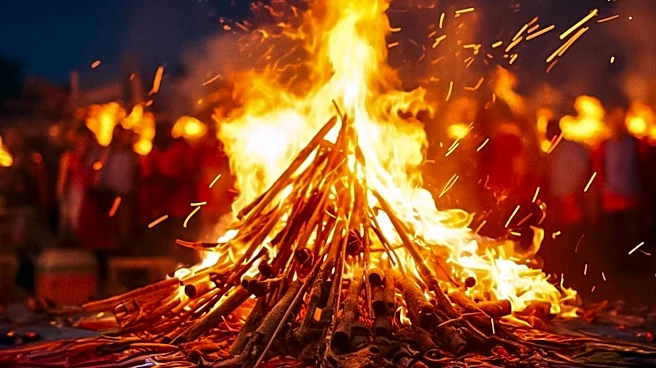









Circus fires have been a tragic part of entertainment history, with several notable incidents causing significant loss of life and property. Among these, the Hartford circus fire of 1944 stands out as one of the deadliest, but it is not the only fire to have impacted the circus industry. This article explores the history of circus fires, their causes, and the changes they have prompted in safety regulations.
The Hartford Circus Fire
The Hartford circus fire occurred on July
6, 1944, during a performance by the Ringling Bros. and Barnum & Bailey Circus in Hartford, Connecticut. The fire resulted in the deaths of at least 167 people and injuries to over 700. The tent's waterproofing, made from paraffin and gasoline, contributed to the rapid spread of the fire, making it one of the worst fire disasters in U.S. history.
Despite extensive investigations, the exact cause of the Hartford fire remains unknown. The tragedy highlighted the dangers of using flammable materials in tent construction and led to changes in fire safety regulations. The incident underscored the need for better emergency preparedness and response plans in public venues.
Other Notable Circus Fires
Circus fires have occurred throughout history, each with its own tragic story. The Cleveland circus fire in 1942, for example, saw a tent housing animals catch fire, resulting in the deaths of 35 animals. The Niterói circus fire in Brazil in 1961 was even more devastating, with 503 people losing their lives, many of whom were children.
These incidents have prompted changes in circus operations and safety standards. The use of flammable materials in tent construction has been heavily criticized, leading to stricter regulations. The tragedies have also highlighted the importance of emergency preparedness and response plans in public gatherings.
Impact on Safety Regulations
The history of circus fires has significantly influenced fire safety regulations. The Hartford circus fire, in particular, led to increased scrutiny of tent construction materials and emergency response protocols. The lessons learned from these tragedies have contributed to safer public events and improved safety standards.
Circus fires serve as a reminder of the importance of safety and preparedness. They have prompted changes in regulations and practices, ensuring that the entertainment industry prioritizes the safety of its audiences. The legacy of these fires is one of tragedy, but also of progress and improvement in safety standards.