




The gluteus medius is far more than just a static anatomical structure; it is a dynamic powerhouse crucial for a wide range of hip movements and, critically, for maintaining stability during locomotion. This broad, thick muscle, situated on the outer surface of the pelvis, orchestrates complex actions that allow for smooth and controlled movement of the leg. Its fibers, originating from the ilium and inserting onto the greater trochanter of the femur,
are arranged in a way that enables distinct functions depending on which part of the muscle is activated, making it a versatile contributor to hip biomechanics.
Orchestrating Hip Abduction and Pelvic Stability
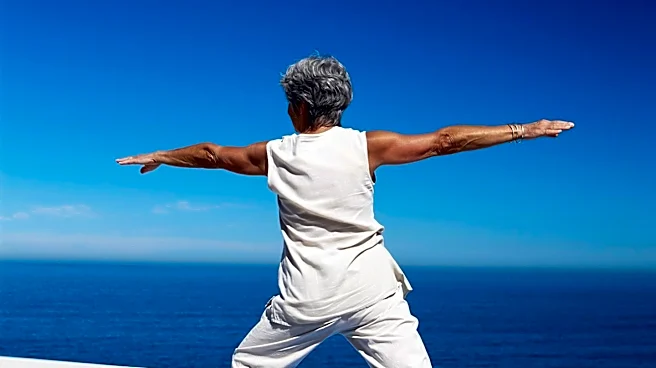
One of the most recognized functions of the gluteus medius is its role in hip abduction, which is the movement of the leg away from the body's midline. When both the anterior and posterior parts of the muscle contract simultaneously, they work in concert to achieve this action. This is a fundamental movement for activities like stepping sideways or lifting the leg to clear an obstacle. However, its contribution extends beyond simple movement; the gluteus medius is also paramount in stabilizing the pelvis in the coronal plane.
This pelvic stabilization is particularly evident and vital during walking. As one leg lifts off the ground during the swing phase of gait, the gluteus medius on the stance leg contracts to prevent the unsupported side of the pelvis from dropping. This action keeps the hips level and ensures an efficient and balanced stride. Without this crucial stabilizing function, an individual might exhibit a Trendelenburg gait, characterized by a noticeable pelvic drop, highlighting the muscle's indispensable role in maintaining upright posture and efficient ambulation.
Rotational Control and Gait Deceleration
Beyond abduction and pelvic stability, the gluteus medius also plays a sophisticated role in controlling the rotation of the hip. The muscle is not a monolithic unit; its anterior and posterior fibers have distinct actions. The anterior part, when activated independently, contributes to hip flexion and internal (medial) rotation. This internal rotation is important for certain movements and for positioning the leg.
Conversely, the posterior part of the gluteus medius is responsible for hip extension and external (lateral) rotation. During the complex sequence of walking, these posterior fibers are particularly active at the end of the swing phase. Here, they contract to help decelerate the internal rotation of the femur, ensuring a controlled transition into the next stance phase. This precise control over rotational forces is essential for preventing injury and optimizing movement efficiency. The muscle's function can even adapt based on the leg's position; for example, if the leg is already flexed, the entire muscle will contribute to further flexion, showcasing its adaptability in dynamic scenarios.
Integrated Function with Other Hip Muscles
The gluteus medius does not operate in isolation but as part of an integrated system of hip muscles. It works closely with the gluteus minimus and other short pelvi-trochanteric muscles to center and stabilize the hip joint. This collective effort ensures that the femoral head remains properly seated within the acetabulum, providing a stable base for movement. The integrity of this muscle group is so vital that its preservation and accurate anatomical reconstruction are considered of quintessential importance for the success of surgical interventions like hip replacement. The muscle's ability to abduct the thigh, prevent hip swaying, and stabilize the pelvic region while keeping the hips level, all contribute to an individual's overall body stability and ability to maintain standing posture.