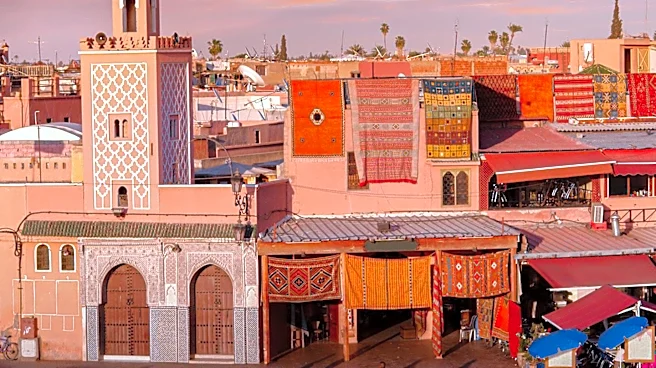






Marrakesh, a vibrant city in Morocco, offers a rich cultural experience, but navigating its bustling streets and markets requires some local knowledge. From understanding transportation options to being aware of common scams, visitors can enhance their trip by preparing for the unique dynamics of the city. The city is divided into two main parts: the historical Medina, characterized by narrow passageways and traditional shops, and the newer European
modern district, Gueliz or Ville Nouvelle, which features modern restaurants and stores.
Getting Around Marrakesh
Marrakesh Menara Airport is an international facility serving the city, with flights from many European cities and connections via Casablanca. Ground transport from the airport to the city center, about 9 km away, includes the L19 airport shuttle bus, which costs 30 dirham one way and 50 dirham return. This bus runs every 30 minutes between 6:00 AM and 11:30 PM, stopping at key locations like Jemaa El-Fna and Menara Mall. City buses #11 and #12 also serve the airport area, stopping on Avenue Gnassa, about 500 meters from the terminal, for a cheaper fare of 4 dirham.
For taxis, it's important to be aware of pricing. From the airport, fixed prices are available by paying in advance at a machine. However, walking 200 meters across the parking lot to the main road and hailing a taxi can result in a significantly lower fare, around 60 dirham compared to the airport's 200 dirham. Within the city, for "petit taxis" (maximum three passengers), drivers are legally required to use a meter. The minimum charge is 7 dirham before 8:00 PM and 10 dirham after. A 10-minute ride should cost around 20 dirham if agreed upon upfront. For "grand taxis" (regular Mercedes taxis), there are no meters, and prices should be negotiated before starting the journey, especially for groups larger than three. Many hotels and riads also offer shuttle services for about €15 per person, which can be convenient for direct transport to lodging.
Trains connect Marrakesh to other major Moroccan cities like Casablanca, Rabat, and Tangier. The Marrakesh railway station is the southernmost stop in the country. Buses are another popular option for long-distance travel, with companies like CTM, Pullman du Sud, and Supratours offering routes to destinations such as Agadir, Safi, and Fez. Within the Medina, most attractions are walkable, though brown, red, or green signs may sometimes lead tourists through markets. For longer distances, city buses run by Alsa are available, with most stopping at Jemaa El-Fna and Place Youssef Ben Tachfine, with fares ranging from 2-5 dirham. Horse-drawn carriages, known as caleches, can also be hired at Square de Foucauld, with an agreed price of around 80 dirham per hour per carriage.
Safety and Avoiding Scams
Marrakesh is generally considered a safe city with a police presence, but visitors should remain vigilant. The city has a reputation for inflated prices and persistent touts, leading to the local idiom "Marrakech, Arnakech" (Marrakech, Scam). Violent crime is not a major issue, but thefts can occur, so it's advisable to keep money hidden and avoid poorly lit areas at night. Official guides should display a badge from local tourist authorities.
Common scams include individuals pretending to be tourist guides who claim a destination is closed to redirect visitors to businesses with inflated prices. If someone tells you a street is closed, it's likely a scam. Similarly, claims that a specific group of artisans only appears every 15 days are often ploys to pressure tourists into immediate purchases. Near tanneries, tourists may be invited for a "free tour" only to be aggressively pressured for money afterward. It's best to visit tanneries in a group or be prepared to firmly decline such offers.
Taxi drivers in tourist hotspots often refuse to use meters and overcharge. Insisting on the meter or agreeing on a fair price upfront is crucial. For example, a metered trip from the train station to Jemaa El-Fna is about 13 dirham, so 20 dirham is a reasonable agreed price for a tourist. Snake charmers may expect payment (around 20 dirham) if you get too close or take pictures. Henna tattoos can also be a source of scams, with some artists offering "free" tattoos and then demanding exorbitant prices. It's important to refuse "free" offers and be wary of overly dark henna, which might contain chemicals that cause allergic reactions.
Local Customs and Practical Tips
Cash is essential in Marrakesh, as most shops and taxis do not accept cards, and hotels often require cash for tourist taxes. ATMs are available at the airport and major banks. When shopping in souks, bargaining is expected. As a guide, a good quality djellaba might cost 300 dirham, while a medium-sized lamp could be 60 dirham. It's important not to offer a price you're unwilling to pay and to never pay in advance for goods that need to be delivered. For food, the stalls in Jemaa El-Fna are popular with locals and are strictly licensed. Harira soup, fried aubergines, and even lamb head are local delicacies to try. Be aware that some stalls may bring starters without asking and then charge for them. Always confirm drink prices before ordering, as they can be comparatively high.
Regarding drinking water, it's recommended to opt for bottled mineral water, ensuring the cap seal is intact, as vendors have been known to refill bottles with tap water. Ask for drinks without ice in restaurants, as ice is often made from tap water. While many Moroccans are friendly, making a fuss in public can sometimes deter scam artists, especially with the presence of tourist police in areas like Jemaa El-Fna.