






The Redwood National and State Parks, located on the coast of northern California, represent a significant achievement in conservation, protecting some of the Earth's most majestic trees. This group of parks, which includes Redwood National Park, Del Norte Coast Redwoods State Park, Jedediah Smith Redwoods State Park, and Prairie Creek Redwoods State Park, collectively spans 139,000 acres. These parks are crucial for preserving old-growth temperate
rainforests and a vast array of nature within their boundaries. Their establishment and ongoing management reflect a long history of efforts to safeguard these unique ecosystems for future generations.
The Genesis of a National Treasure
The journey to protect the redwood forests began in earnest after decades of extensive logging. In 1850, the old-growth redwood forest covered more than 2,000,000 acres of the California coast. However, the California Gold Rush brought many people to the northern part of this area. When these individuals did not find wealth in gold, they turned their attention to logging the gigantic redwood trees, with timber being sent to San Francisco and other West Coast locations. This period of intense logging significantly reduced the original redwood forests.
By the time Redwood National Park was created on October 2, 1968, nearly 90% of the original redwood trees had been logged. This stark reality underscored the urgent need for conservation. The establishment of the national park was a pivotal moment, building upon earlier efforts by organizations like the Save the Redwoods League, which had worked since the 1920s to save old-growth redwoods and had successfully led to the formation of several State Parks.
Collaborative Management and Ecological Significance
In 1994, a significant step was taken to enhance the protection and management of these precious lands. The National Park Service (NPS) and the California Department of Parks and Recreation (CDPR) combined the management of Redwood National Park with the three existing Redwood State Parks. This co-management approach ensures a unified strategy for preserving the interconnected ecosystems within the Redwood National and State Parks.
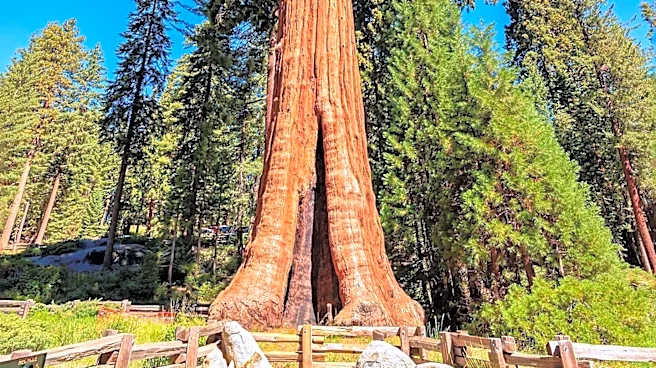
These parks are not just home to the tallest and some of the biggest trees on Earth; they also protect 45% of all remaining coast redwood forests, totaling at least 38,982 acres. Beyond the iconic redwoods, the parks' ecosystem provides a sanctuary for a number of threatened animal species. These include the tidewater goby, Chinook salmon, northern spotted owl, and Steller's sea lion, highlighting the critical role the parks play in biodiversity conservation. The international importance of these parks was recognized when the United Nations designated them a World Heritage Site on September 5, 1980, with additional areas added on June 30, 1983, further solidifying their status as a global natural heritage.
Jedediah Smith Redwoods State Park: A Case Study in Conservation
Jedediah Smith Redwoods State Park, one of the four parks within the Redwood National and State Parks system, played a significant role in the broader redwood conservation movement. Established in 1929, this park preserves old-growth redwoods along the Smith River. During the mid-1900s, it became a focal point in the debate between conservationists and the lumber industry. President Lyndon B. Johnson's 1966 proposal for a Redwood National Park specifically included Jedediah Smith Redwood State Park and surrounding lands, aiming to protect these ancient forests.
While the Save-the-Redwoods League initially favored state-level conservation efforts that collaborated with lumber companies, the eventual federal involvement marked a turning point. The creation of the national park, encompassing these state parks, demonstrated a commitment to large-scale protection. The park's 9,500 acres of redwood trees include several groves of old-growth trees, with one grove of 5,000 acres featuring the world's largest (though not tallest) coast redwood, measuring 20 feet in diameter and 340 feet tall. The Smith River, flowing through the park, is California's last major undammed river, providing a vital habitat for rainbow trout and salmon, and further emphasizing the park's ecological value.