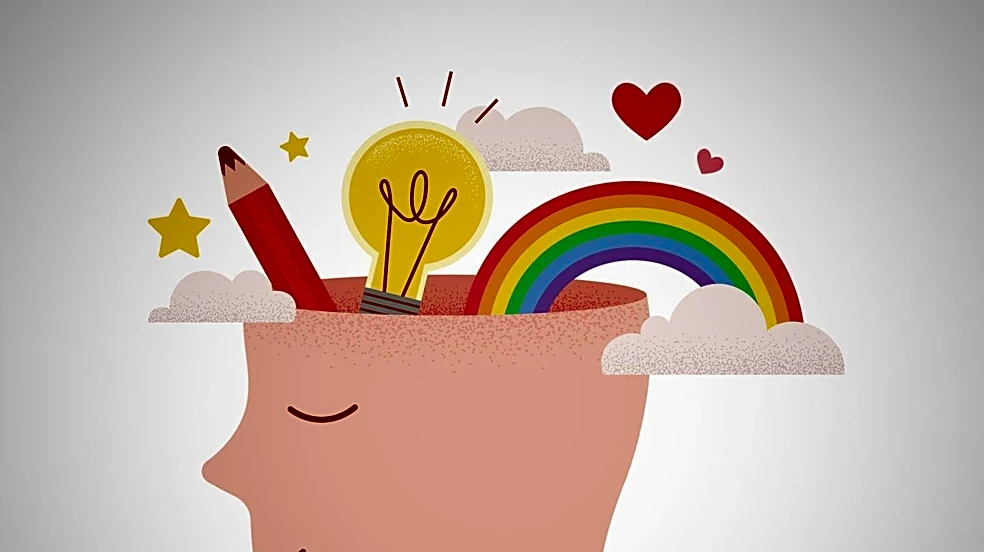






Cognitive reframing is a psychological technique centered on identifying and altering how individuals perceive situations, experiences, events, ideas, and emotions. This powerful approach is known by various names in different therapeutic contexts, including cognitive restructuring in cognitive therapy and cognitive reappraisal in psychological research focused on emotion regulation. Research consistently highlights reframing's effectiveness in influencing
how people feel, linking it to improved mental health and enhanced psychological resilience. It is a technique deeply associated with prominent figures in psychology such as Beck's cognitive therapy, Albert Ellis's rational emotive behavior therapy, and Marvin Goldfried's systematic rational restructuring.
Understanding Cognitive Reappraisal
Cognitive reappraisal, a specific form of reframing, is recognized as one of the most effective strategies for emotion regulation. It falls under the broader category of cognitive change mechanisms, which are extensively studied. This process involves actively reinterpreting an event or stimulus to change its emotional impact. For instance, it can involve creating and focusing on a positive aspect of a situation, a strategy known as positive reappraisal. Another technique is decentering, where an individual broadens their perspective to see the "bigger picture," thereby reinterpreting an event. Fictional reappraisal is yet another strategy, where one adopts or emphasizes the belief that an event is not real, such as thinking "it's just a movie" or "just my imagination."
Cognitive appraisal, the subjective interpretation an individual makes to environmental stimuli, is a key component in theories related to stress, mental health, coping, and emotion. It is notably used in the transactional model of stress and coping, which posits that two distinct forms of cognitive appraisal—primary and secondary—must occur for an individual to experience stress. Primary appraisal involves interpreting an event as dangerous or threatening to personal goals, while secondary appraisal assesses an individual's ability or resources to cope with the situation.
Therapeutic Applications and Benefits
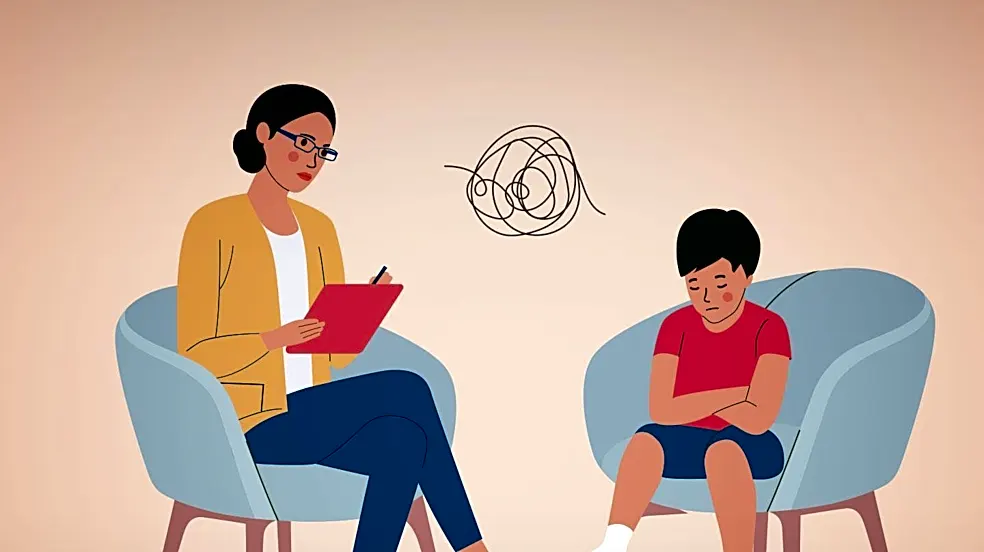
Cognitive reframing offers a wide range of practical applications. It can be instrumental in improving memory, reducing test anxiety, and assisting parents and children in coping with disabilities. In the context of cognitive behavioral therapy (CBT), cognitive appraisal is frequently employed to help individuals identify irrational beliefs and reconstruct their belief systems, aiming to decrease negative thoughts and behaviors. This process aids clients in recognizing and correcting maladaptive thought patterns.
Active forms of emotional coping, such such as positive reframing and humor, have demonstrated benefits in reducing stress. Cognitive reappraisal, in particular, can help boost creativity and cognitive flexibility, especially for individuals who may have low openness to experience, as eliciting emotional events often requires considering new perspectives. It also mediates the relationship between creative self-efficacy and positive affect, as well as career satisfaction. While effective in improving overall well-being, reappraisal is particularly beneficial for individuals with vulnerabilities like neuroticism and high stress levels, rather than solely reducing mental health symptoms.
Models of Emotion Regulation
There are two primary theoretical models that explain how the brain supports cognitive reappraisal in emotion regulation therapies: the top-down Cognitive Emotion Regulation (CER) model and the bottom-up Experiential-Dynamic Emotion Regulation (EDER) model. The CER model, developed by Gross in 1998, emphasizes conscious thinking and appraisal as central to emotion production and management. It involves deliberate strategies, such as changing situations or thoughts, to reduce emotional intensity. This top-down approach activates the prefrontal cortex to inhibit emotional responses from areas like the amygdala, requiring a sense of safety and a stable environment for effective regulation.
Conversely, the EDER model focuses on directly processing emotions rather than controlling them. This bottom-up approach encourages individuals to experience and understand their emotions by paying attention to bodily sensations and internal states. It views emotions as arising automatically from brain systems, with regulation occurring through self-correcting biological processes. Emotional problems, in this model, are seen as disruptions to this natural regulation. Therapies based on the EDER model aim to restore this natural process by helping individuals become aware of and process their emotions, relying less on conscious thought and language and more on automatic and emotional brain functions.