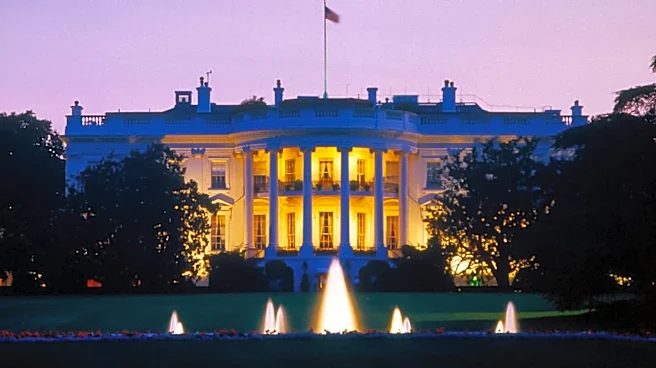








The White House State Ballroom project, announced in 2025, has been a source of significant controversy. This planned expansion of the White House complex, intended to replace the demolished East Wing, has faced criticism on multiple fronts, from its funding and approval process to its impact on the historic site.
Bypassing Congressional Approval
One of the primary criticisms of the White House State Ballroom project is its circumvention of traditional approval processes. Typically,
significant changes to government buildings require congressional approval, ensuring that such projects are subject to public scrutiny and debate. However, the ballroom project has bypassed this step, raising concerns about transparency and accountability.
Critics argue that the decision to proceed without congressional approval undermines established procedures and sets a concerning precedent for future projects. The lack of legislative oversight has fueled debates about the balance of power and the role of private funding in public projects.
Preservation and Demolition Concerns
The demolition of the East Wing to make way for the new ballroom has also been a contentious issue. Preservationists and historians have expressed concern over the loss of a significant part of the White House complex. The East Wing, while not as iconic as other parts of the White House, held historical value and its removal has sparked debates about the preservation of national heritage.
The project's critics argue that the demolition does not respect preservation laws and fails to consider the long-term impact on the White House's historical integrity. The decision to proceed with the demolition without a comprehensive public discussion has further fueled these concerns.
Funding and Influence
The funding model for the White House State Ballroom has also been a point of contention. The project is privately funded by President Donald Trump, other wealthy donors, and private companies, with an estimated cost of $250 million. This approach has raised questions about potential conflicts of interest and the influence of private donors on public projects.
Ethics experts have voiced concerns about the implications of private funding for a government building, particularly in terms of donor influence and transparency. The lack of clarity regarding the selection of contractors and the absence of a competitive bidding process have added to these concerns, prompting calls for greater oversight and accountability.
In conclusion, the White House State Ballroom project has sparked significant debate and controversy. While it aims to enhance the White House's capacity for hosting large events, the project's approach to funding, approval, and preservation has raised important questions about transparency, accountability, and the preservation of national heritage.