








Regenerative braking is a key technology in electric vehicles (EVs), playing a crucial role in enhancing their efficiency and performance. By converting kinetic energy into electrical energy during deceleration, regenerative braking systems help extend the range of EVs and reduce energy consumption. This article examines the role and benefits of regenerative braking in electric vehicles, highlighting its contribution to sustainable transportation.
How Regenerative Braking Works in EVs
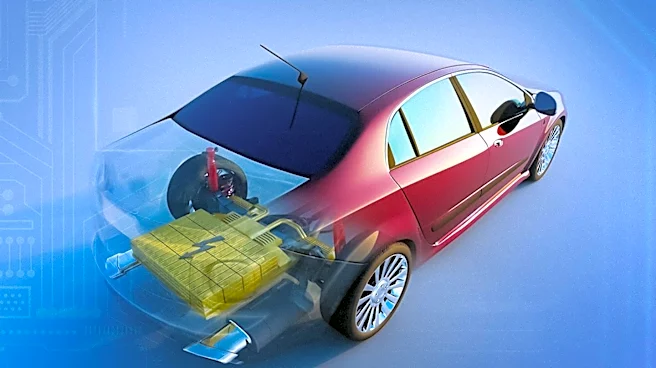
In electric vehicles, regenerative braking is integrated into the vehicle's drivetrain, allowing the electric motor to function as a generator during braking. When the driver applies the brakes, the motor reverses its operation, capturing energy that would otherwise be lost as heat in traditional braking systems. This energy is then stored in the vehicle's battery for later use.
The process of regenerative braking in EVs is seamless and often goes unnoticed by drivers. It not only aids in slowing down the vehicle but also contributes to recharging the battery, effectively increasing the vehicle's range. This is particularly beneficial in urban driving conditions, where frequent stops and starts provide ample opportunities for energy recovery.
Benefits of Regenerative Braking in EVs
One of the primary benefits of regenerative braking in electric vehicles is its contribution to energy efficiency. By capturing and reusing energy, EVs can travel further on a single charge, reducing the need for frequent recharging and enhancing the overall driving experience.
Additionally, regenerative braking reduces wear and tear on mechanical braking components, such as brake pads and discs. This not only extends the lifespan of these parts but also lowers maintenance costs for EV owners. Furthermore, the reduced reliance on friction-based braking systems contributes to quieter and smoother operation.
Challenges and Considerations
While regenerative braking offers significant advantages, it is not without its challenges. The effectiveness of regenerative braking can vary depending on factors such as vehicle speed, battery state of charge, and driving conditions. At lower speeds, regenerative braking may not be sufficient to bring the vehicle to a complete stop, necessitating the use of traditional brakes.
Moreover, the integration of regenerative braking systems requires careful calibration to ensure a smooth transition between regenerative and friction braking. Manufacturers must also consider the impact of regenerative braking on battery health and longevity, as frequent charging and discharging cycles can affect battery performance over time.
In conclusion, regenerative braking is a vital component of electric vehicles, offering numerous benefits in terms of efficiency, performance, and sustainability. As EV technology continues to evolve, regenerative braking will remain a key factor in the push towards greener transportation solutions.