




Idaho's path to statehood is a fascinating journey marked by territorial disputes, governance changes, and eventual recognition as the 43rd state of the United States. This article explores the historical milestones that led to Idaho's statehood, highlighting the key events and transitions that shaped its development.
Early Territorial Claims and Governance
Before becoming a state, Idaho was part of the Oregon Country, a region claimed by both the United States and Great Britain. The dispute
over this territory was resolved in 1846 when the United States gained undisputed jurisdiction. During this period, present-day Idaho was under the de facto jurisdiction of the Provisional Government of Oregon from 1843 to 1859.
When Oregon achieved statehood in 1859, the remaining territory, including what is now Idaho, was designated as part of the Washington Territory. This period of governance under different territorial jurisdictions laid the groundwork for Idaho's eventual push for statehood, as settlers and local leaders sought more autonomy and representation.
The Formation of Idaho Territory
The creation of the Idaho Territory was a significant step towards statehood. Established in 1863, the Idaho Territory was carved out of the Washington Territory, providing a more defined governance structure for the region. This new territory included parts of present-day Montana and Wyoming, reflecting the vast and diverse landscapes that characterized the area.
The establishment of the Idaho Territory allowed for more localized governance and the development of infrastructure and institutions necessary for statehood. It also attracted settlers and businesses, contributing to the region's growth and economic development.
Achieving Statehood
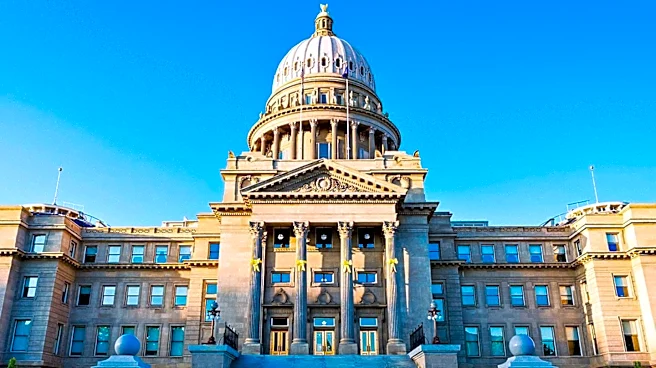
Idaho's journey to statehood culminated on July 3, 1890, when it was officially admitted as the 43rd state of the United States. This achievement was the result of years of advocacy and development, as Idaho's leaders worked to demonstrate the region's readiness for statehood.
The transition from territory to statehood brought new opportunities and challenges for Idaho. As a state, Idaho gained representation in the U.S. Congress and the ability to enact its own laws and policies. This newfound autonomy allowed Idaho to shape its future and address the needs of its growing population.
Idaho's journey to statehood is a testament to the resilience and determination of its early settlers and leaders. The state's rich history and diverse landscapes continue to define its identity, making Idaho a unique and integral part of the United States.