
In September 1968, the English rock band Led Zeppelin embarked on their inaugural concert tour, a series of shows across Scandinavia. This tour, spanning Denmark, Sweden, and Norway from September 7 to 17, marked a pivotal moment in rock history, even though the band was initially billed under the name "the Yardbirds." It was during these 10 performances that the nascent group began to forge its identity and lay the groundwork for its legendary status,
despite facing financial constraints and an uncertain start.
Fulfilling a Prior Commitment: The Yardbirds' Legacy
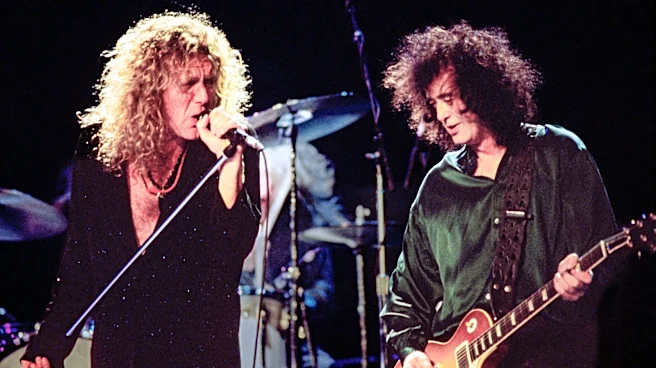
The Scandinavian Tour was not just Led Zeppelin's debut; it was also an "outstanding contractual commitment" inherited from the disbanded Yardbirds. The very first concert, held at the Teen Club in a school gymnasium in Gladsaxe, Denmark, took place precisely two months after the Yardbirds' final performance. This connection to the previous band was so strong that Led Zeppelin was often advertised as "the Yardbirds" or "New Yardbirds" on promotional materials. Guitarist Jimmy Page was the sole remaining link to the original Yardbirds, making the transition both a continuation and a fresh start.
Page himself acknowledged the need for a new identity, stating that the reputation of his previous group had run its course. He felt there was no point in trying to revive that reputation with similar labels, leading to the decision to change the name after the Scandinavian tour. This tour, therefore, served as a bridge, allowing the new lineup to fulfill existing obligations while simultaneously developing their unique sound and stage presence.
Early Days and Financial Realities
The early days of Led Zeppelin were far from glamorous, especially concerning finances. According to singer Robert Plant, the band made "no money on the first tour. Nothing at all." He recounted that Jimmy Page invested every penny he had saved from his time with the Yardbirds, which Plant noted "wasn't much." This financial struggle highlighted the challenges faced by the band in its infancy, underscoring the dedication required to get the project off the ground.
Plant also mentioned that the Yardbirds, before Peter Grant took over as manager, "didn't make the money they should have made." This context explains why Page's personal investment was so crucial for the new band's initial ventures. The tour's road crew was minimal, consisting of just one person, further illustrating the lean operations during this formative period. Despite these financial hurdles, the band pressed on, driven by their musical vision.
The Tentative Yet Powerful Performance
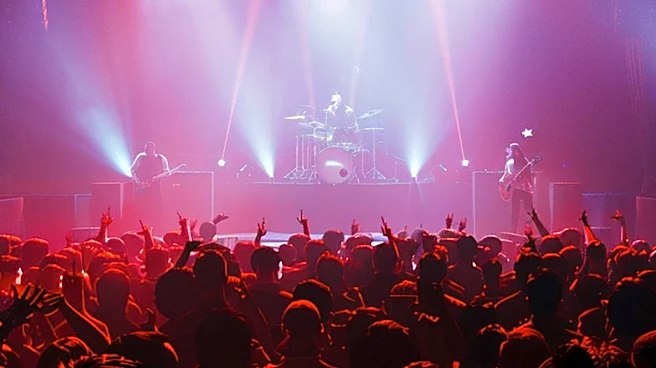
Despite the financial and logistical challenges, the performances themselves were impactful. Peter Grant, the band's manager, observed the "special chemistry" on stage during that first concert in Gladsaxe. This immediate recognition of their unique dynamic was a strong indicator of the band's potential. Jimmy Page fondly remembered the tour, stating that "the tour went fantastically for us, we left them stomping the floors after every show."
However, Robert Plant also offered a more nuanced perspective on their early stage presence. He described the band in Scandinavia as "pretty green" and in "very early days," admitting they were "tiptoeing with each other." Plant noted that they "didn't have half the recklessness that became for me the whole joy of Led Zeppelin," characterizing it as a "tentative start." This blend of raw talent, undeniable chemistry, and initial hesitancy paints a vivid picture of a band on the cusp of greatness, still finding its collective voice but already leaving a powerful impression on audiences.