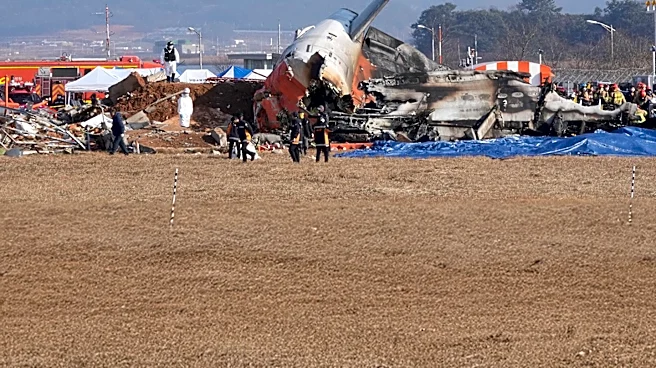









On July 6, 2013, Asiana Airlines Flight 214, a Boeing 777-200ER, crash-landed at San Francisco International Airport. This tragic event resulted in the deaths of three passengers and injuries to 182 others. The crash was attributed to pilot error and fatigue, marking a significant moment in aviation history as it was the first fatal accident involving a Boeing 777.
The Flight and Its Final Moments
Asiana Airlines Flight 214 was a passenger flight originating from Incheon International
Airport in South Korea, bound for San Francisco International Airport in the United States. Onboard were 307 individuals, including 291 passengers and 16 crew members. As the aircraft approached its destination, it was flying slower than the required speed for a safe landing. The engines were idle, and the pilots attempted a go-around maneuver just 1.5 seconds before impact, but it was too late to prevent the crash.
The aircraft struck a seawall at the edge of the runway, causing the tail section to break off. The impact was severe, and the plane skidded along the runway before coming to a stop. The crash resulted in the immediate deaths of two passengers, while a third passenger succumbed to injuries later, possibly after being run over by a rescue vehicle.
The Aftermath and Rescue Efforts
In the immediate aftermath of the crash, the oxygen masks deployed, and some passengers reported seeing sparks inside the cabin. Initially, the pilots instructed the crew not to evacuate the aircraft, but this decision was quickly reversed. The flight attendants acted swiftly, assisting passengers in evacuating the plane. Despite the chaos, the crew managed to help several passengers who were unable to escape on their own, with one pilot even carrying a passenger with an injured leg to safety.
During the evacuation, a fire broke out near the 10th row of the cabin, which one of the pilots managed to extinguish. Complications arose when two of the escape slides deployed inside the cabin instead of outside, trapping flight attendants. The pilots used tools to burst the slides and free the trapped crew members.
Investigations and Lessons Learned
The investigation into the crash revealed that pilot error and fatigue were significant factors. The pilots' failure to maintain the appropriate speed and their delayed decision to attempt a go-around were critical errors. The crash highlighted the importance of proper training and rest for pilots to ensure they can perform their duties effectively.
The incident also underscored the need for clear communication and quick decision-making in emergency situations. The actions of the flight attendants and pilots in evacuating the passengers were commendable, but the initial hesitation to evacuate could have had more severe consequences. This tragic event served as a reminder of the complexities and risks involved in aviation, prompting reviews and improvements in safety protocols and training programs.