








Present bias, the human tendency to prioritize immediate rewards over larger, more beneficial future outcomes, is not merely an abstract concept studied in laboratories. It profoundly influences our daily lives, shaping decisions ranging from our health habits to our engagement in civic duties and even our propensity to procrastinate. This bias highlights a fundamental challenge in human self-control, where the allure of the present often overshadows
the long-term consequences of our actions. Understanding these real-world manifestations of present bias can offer insights into why we sometimes act against our own best interests.
Present Bias and Health Decisions
Present bias significantly impacts individual health care decision-making. It affects a wide array of health-related behaviors, including taking precautions against potential illnesses like breast cancer, engaging in unhealthy lifestyles such as smoking, drinking alcohol, and drug use, and exhibiting risky behaviors like drunk driving. This bias often comes into play when the negative consequences of a particular behavior are perceived to be far off in the future. It is characterized by a short-term impatience, where the immediate gratification outweighs the distant benefits of healthy choices.
This impatience with future benefits minimizes the motivation for people to undertake unpleasant actions for their health, such as maintaining a diet, refraining from cigarettes, or regularly attending check-ups. Present-biased decision-making frequently underlies the notion that certain health care behaviors incur costs in the present, while their benefits only materialize much later. Individuals often focus more on short-term benefits than on long-term consequences; for example, drunk drivers tend to exhibit less long-term concern than non-drunk drivers. The lack of adherence to health care guidelines can also be attributed to a naive understanding of one's own present bias. People tend to overestimate their future ability to manage the consequences of their behavior, often underestimating their self-control and the impact of their current actions on future well-being, leading them to postpone necessary actions until they become urgent. Many individuals procrastinate on health matters because they underestimate how their future selves will be affected by their present bias. Overcoming this bias could lead to earlier detection of illnesses, like breast cancer, allowing for timely treatment and potentially reducing the burden on healthcare systems.
Procrastination: A Direct Consequence of Present Bias
Present-biased preferences are a frequent cause of procrastination. This phenomenon typically occurs when actions are followed by immediate costs. Conversely, when actions are associated with immediate rewards, people tend to complete their tasks more quickly to obtain the reward. A study involving students who set their own deadlines for tasks suggested that procrastination might arise from an interaction between present bias and personal characteristics, such as overconfidence. This implies that individuals might genuinely believe they will handle tasks later, only to fall victim to their present bias.
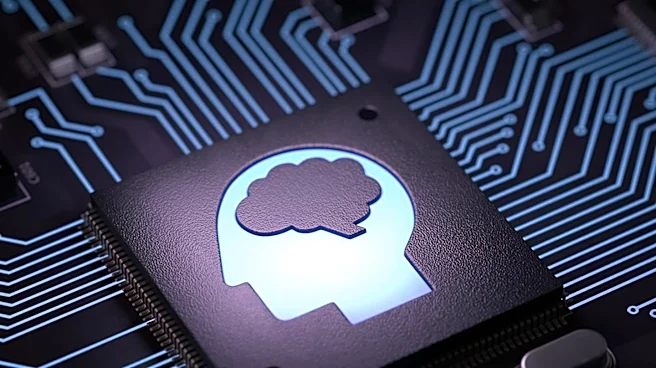
However, internal self-control and a sophisticated understanding of the tasks at hand can help reduce present bias. For individuals who are naive about their own biases, the effect can be the opposite, exacerbating procrastination. Research further investigates the hypothesis that self-regulatory failure contributes to procrastination, noting a decrease in functional correspondence between certain brain areas, such as the ventromedial prefrontal cortex (VMPC) and dorsolateral prefrontal cortex (DLPFC), and the dorsal anterior cingulate cortex (dACC) and caudate, as well as in the right ventrolateral prefrontal cortex (VLPFC).
Present Bias and Political Participation
Present bias also manifests in the decision of whether an individual participates in political elections. Political elections typically involve an immediate effort, such as making a political decision and casting a vote on election day. However, the benefits of voting, such as desired political changes, often only materialize much later in the future. Therefore, patience is a significant factor influencing people's decision to participate in elections.
Individuals who exhibit more patience regarding future political changes tend to show a greater willingness to participate in elections. In contrast, those who focus more on the immediate efforts required are less likely to vote. This highlights how the temporal separation between effort and reward can deter civic engagement, demonstrating another pervasive impact of present bias on societal functions.