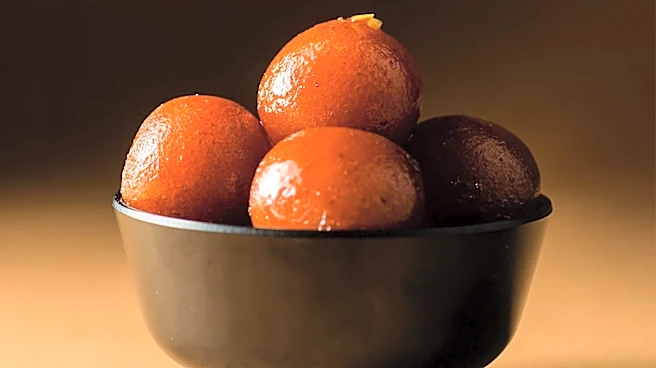







Gulab jamun stands as a beloved sweet dessert, deeply rooted in the culinary traditions of the Indian subcontinent. This popular treat is crafted from milk solids, which are then shaped into small balls, fried to a golden hue, and finally immersed in a fragrant sugar syrup. Its presence is widespread, making it a staple in countries like India, Pakistan, Nepal, Bangladesh, and Myanmar. Beyond these core regions, gulab jamun has also found a home in nations
with significant South Asian populations, including Mauritius, Fiji, various Arab states in the Persian Gulf, the Malay Peninsula, the United Kingdom, South Africa, and Caribbean countries such as Jamaica, Trinidad and Tobago, Guyana, and Suriname. This dessert's enduring appeal lies in its rich texture and sweet, aromatic flavor, making it a cherished part of many celebrations and daily meals.
The Core Ingredients and Crafting Process
The fundamental ingredient that gives gulab jamun its distinctive character is khoa, also known as khoya. This is a type of evaporated and thickened milk, which forms the base of the dough. Traditionally, homemade gulab jamun relies on khoa, often combined with a small amount of all-purpose flour, fine wheat flour, or whole wheat flour, though the flour component can sometimes be optional. Baking powder and clarified butter, or ghee, are also typically incorporated into the mixture. The process involves kneading these ingredients to form a pliable dough, which is then meticulously shaped into small balls.
Once the dough balls are formed, they are deep-fried until they achieve a rich, reddish-brown color. This frying process is crucial for developing the dessert's texture and flavor. After frying, the hot balls are immediately transferred into a simmering sugar syrup. This syrup is often flavored with rose water, saffron, or cardamom, which infuses the gulab jamun with its characteristic aroma and sweetness. The balls then soak in this syrup, absorbing the flavors and becoming soft and succulent.
Naming and Cultural Significance
The name "gulab jamun" itself offers a glimpse into its origins and characteristics. The term "gulab" is derived from Persian words, with "gul" meaning flower and "ab" meaning water, collectively referring to rose water. This highlights the common use of rose water as a flavoring agent in the sugar syrup, imparting a delicate floral note to the dessert. The second part of the name, "jamun," is a Hindi term for the Syzygium cumini fruit, also known as the Java plum. This fruit is similar in size and shape to the typical gulab jamun, providing a visual reference for the dessert's form.
Gulab jamun is more than just a sweet treat; it holds cultural significance as a symbol of hospitality and celebration. It is frequently served during festivals, weddings, and other special occasions, bringing people together over its universally loved taste. The dessert can be enjoyed in various ways: some prefer it hot, straight from the syrup, while others enjoy it chilled or at room temperature. This versatility further contributes to its widespread popularity and adaptability across different culinary preferences and climates.
Regional Variations and Adaptations
Across the vast geographical expanse where gulab jamun is popular, several regional variations have emerged, each offering a unique twist on the classic. In Bengali cuisine, for instance, gulab jamun is known as Kalo Jam or Pantua. These variations are similar to the standard gulab jamun but possess distinct characteristics that make them unique. Ledikeni, another variation of Pantua, further showcases the diversity within this dessert category. These regional adaptations demonstrate the creativity and culinary evolution that has taken place around this beloved sweet.
Another notable variation is the kala jamun, which translates to "black jamun." This version gets its darker, almost black color from the caramelization of sugar added directly to the dough, or from a higher sugar content in the milk powder (khoya) used. The result is a deeper, more intense flavor profile. In some regions, such as Rajasthan, gulab jamun balls are not always soaked in sugar syrup; instead, they are cooked in a savory gravy made with spices, nuts, and tomatoes, creating a dish known as Gulab Jamun ki Sabzi. This savory adaptation highlights the versatility of the core ingredient and the innovative ways it can be incorporated into different culinary contexts, moving beyond its traditional role as a dessert.