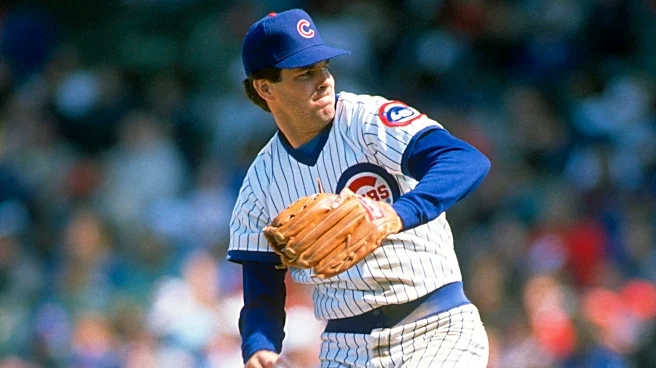






Bob Gibson, known for his fierce competitiveness and exceptional skill, is celebrated as one of the greatest pitchers in Major League Baseball history. Playing his entire career with the St. Louis Cardinals from 1959 to 1975, Gibson left an indelible mark on the sport. His career was filled with remarkable achievements, including two Cy Young Awards and a Most Valuable Player Award in 1968. Gibson's legacy is further cemented by his induction into
the Baseball Hall of Fame in 1981, a testament to his impact on the game.
Early Career and Rise to Stardom
Bob Gibson's journey in baseball began with the St. Louis Cardinals in 1959. Known for his competitive nature, Gibson quickly established himself as a formidable pitcher. By 1962, he had already made a name for himself by pitching 22 consecutive scoreless innings, earning his first All-Star selection. Despite facing challenges such as a fractured ankle, Gibson's determination and skill allowed him to finish the season with his first 200-strikeout milestone.
Gibson's prowess on the mound continued to grow, and he became a key player for the Cardinals. His ability to dominate games and strike fear into opposing batters was unmatched. As his career progressed, Gibson's reputation as a fierce competitor only strengthened, making him a central figure in the Cardinals' success during the 1960s.
The Pinnacle of Success: 1968
The year 1968 marked the pinnacle of Bob Gibson's career, often referred to as the "Year of the Pitcher." Gibson's performance that season was nothing short of extraordinary, as he posted a 1.12 ERA, one of the lowest in baseball history. His dominance was further highlighted in the 1968 World Series, where he recorded 17 strikeouts in Game 1, showcasing his ability to perform under pressure.
Gibson's achievements in 1968 earned him the National League Most Valuable Player Award, a rare honor for a pitcher. His contributions were instrumental in leading the Cardinals to a World Series victory, solidifying his status as one of the game's all-time greats. Gibson's remarkable season remains a benchmark for pitching excellence.
Retirement and Legacy
Bob Gibson retired from baseball in 1975, leaving behind a legacy of excellence and determination. At the time of his retirement, he ranked second only to Walter Johnson in career strikeouts among major-league pitchers. Gibson's impact on the game was recognized with his induction into the Baseball Hall of Fame in 1981, his first year of eligibility.
Gibson's influence extended beyond his playing days, as he was selected for the Major League Baseball All-Century Team in 1999. His competitive spirit and remarkable achievements continue to inspire future generations of players. Bob Gibson's legacy as one of baseball's greatest pitchers is firmly etched in the annals of the sport, a testament to his skill, dedication, and impact on the game.