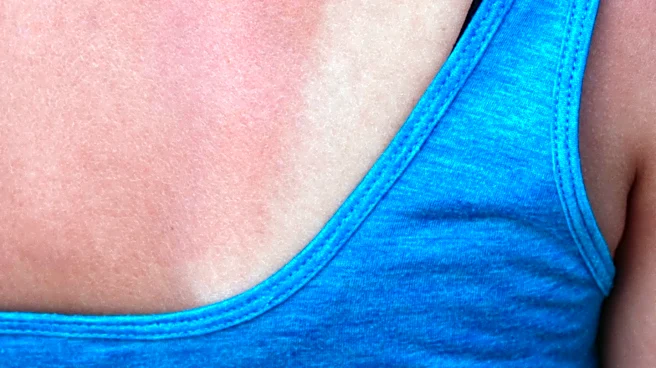








Tanning is a natural process that results in the darkening of the skin when exposed to ultraviolet (UV) radiation. This can occur through natural sunlight or artificial sources like tanning beds. The process is not just cosmetic; it involves complex biological mechanisms that provide some protection against UV damage. Understanding these processes can help us appreciate the balance between achieving a tan and maintaining skin health.
Melanin Production
When the skin
is exposed to UV radiation, it triggers the production of melanin, a natural pigment produced by cells called melanocytes. Melanin is responsible for the darkening of the skin and serves as a protective barrier by absorbing UV radiation. There are two types of melanin: pheomelanin, which is red, and eumelanin, which is very dark brown. The increase in melanin production, known as melanogenesis, is the body's way of protecting itself from further UV damage.
The process of melanogenesis is initiated by UVB radiation, which causes direct DNA photodamage. This damage signals the melanocytes to produce more melanin, which is then distributed to the skin cells, resulting in a tan. This tan can provide a modest Sun Protection Factor (SPF) of about 3, meaning that tanned skin can tolerate up to three times the UV exposure compared to untanned skin.
The Role of UV Radiation
UV radiation is divided into UVA and UVB rays, both of which play different roles in the tanning process. UVA rays penetrate deeper into the skin and are primarily responsible for the immediate tanning effect, which is the oxidation of existing melanin. This type of tan appears quickly but fades faster. On the other hand, UVB rays are more energetic and are responsible for delayed tanning, which involves the production of new melanin.
While UVA rays contribute to skin aging and can penetrate through glass, UVB rays are more likely to cause sunburn and are blocked by glass. Both types of rays can contribute to skin damage and increase the risk of skin cancer, making it important to manage exposure carefully.
Health Implications
Moderate exposure to sunlight is beneficial as it helps the body produce vitamin D, which is essential for bone health. However, excessive exposure can lead to sunburn, photoaging, and an increased risk of skin cancer. The body naturally combats UV damage by producing more melanin, but this is not a foolproof defense.
Understanding the science behind tanning can help individuals make informed decisions about sun exposure. While a tan can offer some protection, it is not a substitute for sunscreen or protective clothing. Balancing sun exposure to enjoy its benefits while minimizing risks is key to maintaining healthy skin.