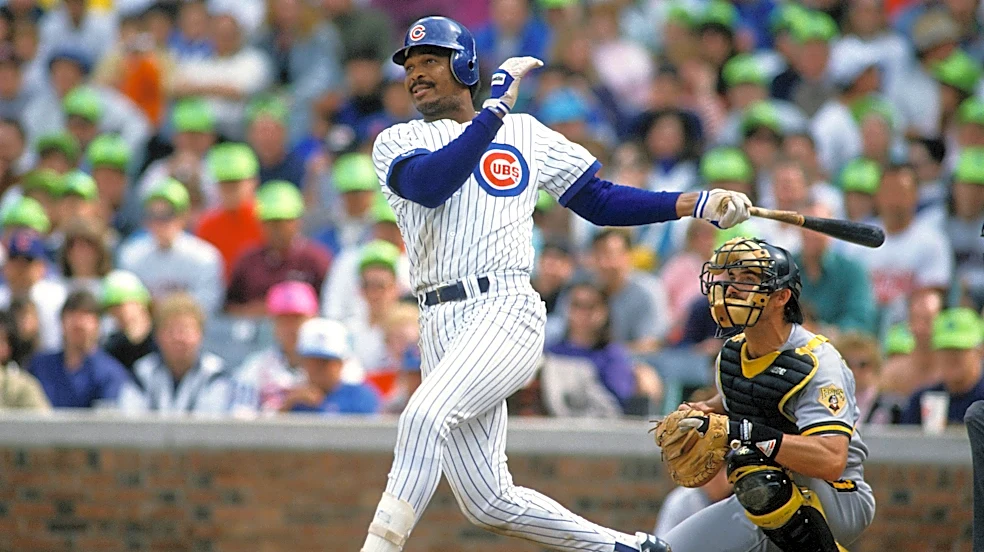







The 2001 season for the Seattle Mariners stands as one of the most remarkable in Major League Baseball history, yet it concluded with a sense of unfulfilled potential. This team achieved a staggering 116–46 record, tying the modern-era major league record for wins set by the 1906 Chicago Cubs and establishing a new benchmark for an American League team. Despite their dominant regular season performance, which saw them lead the majors in both runs
scored and fewest runs allowed, the Mariners ultimately fell short of their ultimate goal, failing to reach the World Series. Their journey through this historic year was marked by individual brilliance, team dominance, and a surprising playoff exit that left a lasting legacy.
A Season of Unprecedented Dominance
The 2001 Mariners were a force to be reckoned with from the outset, showcasing a level of dominance rarely seen in professional baseball. Their 116 wins were not just a record-tying feat; they also set a new American League standard. A significant portion of these victories, 59 to be exact, were by four or more runs, a record that was later surpassed by the Los Angeles Dodgers in 2022 and 2023. This statistic underscores the team's ability to not only win but to do so decisively, often overwhelming opponents with their offensive and defensive prowess.Beyond their win-loss record, the Mariners also set a major league record for the most Wins Above Replacement (WAR) by a team in a single season, accumulating an impressive 50.4 WAR. This figure even surpassed the legendary 1927 New York Yankees, often considered one of the greatest teams of all time, who recorded 48.7 WAR. This statistical superiority highlights the depth and all-around talent present on the 2001 Mariners roster, indicating that their success was not merely a fluke but a reflection of exceptional individual and collective performance.
The Impact of Ichiro Suzuki and Key Milestones
A significant factor in the Mariners' historic 2001 season was the Major League debut of Japanese outfielder Ichiro Suzuki. Ichiro made an immediate and profound impact, leading the league in batting average and earning both the American League Rookie of the Year and the American League MVP awards. His arrival brought a new dynamic to the team, combining speed, contact hitting, and exceptional defense that elevated the Mariners' overall play. His rookie season was a testament to his extraordinary talent and quickly established him as a superstar in American baseball.The 2001 season also saw the Mariners host their second All-Star Game on July 10, adding another layer of significance to their memorable year. While the season was filled with triumphs, it also featured a notable setback: on August 5, the Cleveland Indians staged a historic 12-run comeback against the Mariners, winning 15–14 in 11 innings after trailing 14–2 in the seventh inning. This "Great Return" tied a major league record for the largest comeback in a game, serving as a rare blemish on an otherwise stellar regular season.
Playoff Heartbreak and Lingering Legacy
Despite their record-setting regular season, the 2001 Mariners' journey ended in disappointment in the postseason. After defeating the Cleveland Indians in five games in the American League Division Series (ALDS), they faced the New York Yankees in the American League Championship Series (ALCS). The Mariners ultimately fell to the Yankees in five games, preventing them from reaching the World Series. This made them the first team in MLB history to win 110 or more regular season games and fail to advance to the World Series, a distinction they would later share with the 2022 Los Angeles Dodgers.The playoff exit marked a significant turning point for the franchise. Despite their historic win total, the Mariners would not reach the postseason again until 2022, ending what became the longest active drought in the four major North American sports. They also would not win the AL West or return to the ALCS until the 2025 season. The 2001 Seattle Mariners remain a fascinating case study in baseball history, a team that achieved unparalleled regular-season success but ultimately could not capture the championship that many believed was their destiny.