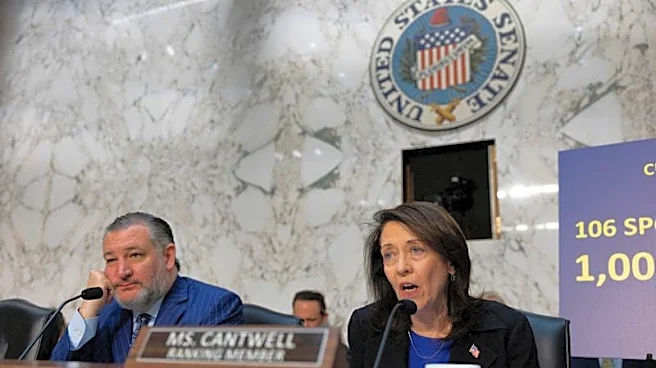









The Parents Music Resource Center (PMRC), established in 1985, emerged as a significant force in the debate surrounding music content and its impact on young audiences. This bipartisan United States government committee was founded with the explicit aim of increasing parental control over children's access to music that contained themes of violence, drugs, or sex. While the PMRC's intentions were rooted in protecting children, their methods and targets,
particularly heavy metal music, sparked considerable opposition and criticism. Despite the controversy, the committee's work left an indelible mark on the music industry, most notably through the widespread adoption of the Parental Advisory sticker.
The PMRC's advocacy culminated in a Senate hearing on September 19, 1985, where their concerns were formally presented. Prior to this, in August 1985, 19 record companies had already agreed to place "Parental Guidance: Explicit Lyrics" labels on albums. However, the PMRC sought further action, leading to the congressional discussion. The hearing featured testimonies from PMRC representatives, musicians, and senators, all debating the necessity and implications of labeling music content. This pivotal event laid the groundwork for the standardized warning system that would become a familiar sight on album covers for decades to come.
The Birth of the Parental Advisory Label
The direct outcome of the PMRC's efforts and the subsequent Senate hearing was the creation and widespread implementation of the Parental Advisory label. This label, initially conceived as "Parental Guidance: Explicit Lyrics," was designed to warn consumers about music with potentially offensive content. The PMRC's push for such a system was driven by their belief that explicit messages in music contributed to societal ills, including the promotion of suicide, rape, and sadomasochism. They argued that parents needed clear indicators to guide their children's music choices.
While the PMRC's initial proposals were met with strong resistance from musicians like Frank Zappa, John Denver, and Dee Snider, who decried the measures as censorship, a compromise was eventually reached. The music industry, under pressure, agreed to adopt a standardized warning label. This label, which evolved into the familiar black and white "Parental Advisory: Explicit Content" sticker, became a ubiquitous feature on albums containing lyrics deemed inappropriate for younger children. Its introduction marked a significant shift in how music content was presented and consumed, providing parents with a tool, however controversial, to monitor their children's exposure to certain themes.
Enduring Impact and Criticisms
The Parental Advisory sticker, a direct legacy of the PMRC, has had a lasting impact on the music industry and consumer behavior. It fundamentally changed the visual landscape of album art and introduced a new layer of consideration for both artists and retailers. For some, the label served its intended purpose, offering a clear warning about content. For others, it became a symbol of censorship and an example of moral panic influencing artistic expression. The PMRC itself was known for its "prejudicial targeting of heavy metal music," which fueled much of the opposition it faced.
Musicians like Frank Zappa openly criticized the PMRC's proposals, calling them "ill-conceived nonsense" that infringed upon civil liberties. John Denver compared the labeling efforts to "Nazi book burnings," arguing that censorship was ultimately counterproductive and only made forbidden content more desirable. Dee Snider defended his band's lyrics against misinterpretation, emphasizing parental responsibility over external labeling. Despite these strong objections, the Parental Advisory label became an entrenched part of the music landscape, demonstrating the PMRC's significant, albeit contentious, influence on the cultural conversation around music and youth.