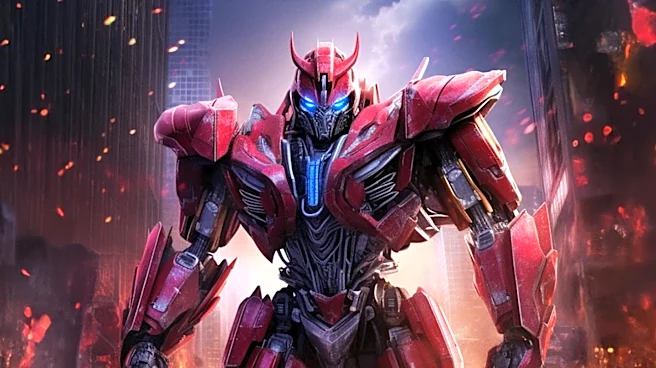









Transformers: The Last Knight, released in 2017, marked the fifth installment in the Transformers film series. Directed by Michael Bay, the film was a significant production endeavor, involving a complex process of development, casting, and filming. Despite its high expectations, the film faced several challenges during its creation, which ultimately impacted its reception and box office performance.
Development and Writing
The development of Transformers: The Last Knight
began shortly after the release of its predecessor, Transformers: Age of Extinction. Paramount Pictures tasked Akiva Goldsman with setting up a writers' room to generate ideas for future films in the franchise. This collaborative effort involved several writers, including Art Marcum, Matt Holloway, and Ken Nolan, who contributed to the screenplay. The writing team drew inspiration from various Transformers media created by Hasbro, aiming to craft a story that would resonate with fans while introducing new elements to the series.
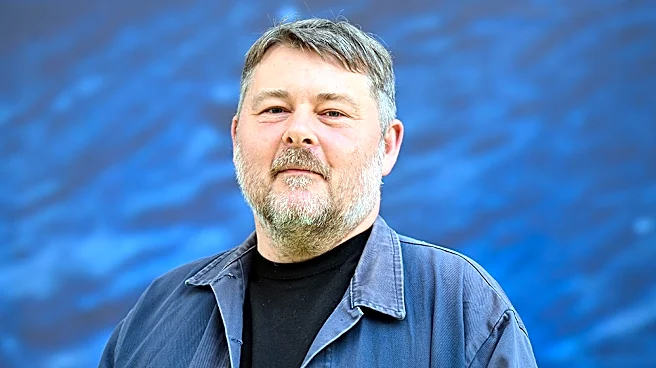
Michael Bay, who had initially decided not to direct any more Transformers films after Age of Extinction, was persuaded to return for The Last Knight. He announced that this would be his final film in the series, adding a sense of finality to the project. The film's production budget ranged between $217 and $260 million, reflecting the scale and ambition of the project.
Casting and Filming
Casting for Transformers: The Last Knight involved both returning actors and new additions to the franchise. Mark Wahlberg reprised his role from the fourth film, while Josh Duhamel, John Turturro, and Glenn Morshower returned from the earlier films. Newcomers included Anthony Hopkins and Isabela Moner, who brought fresh dynamics to the cast.
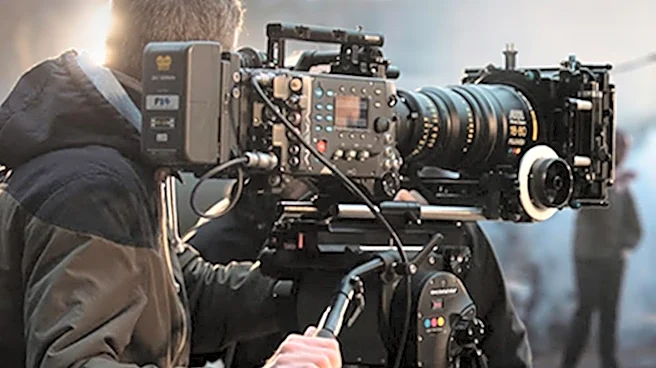
Filming took place in various locations, including the United States, the United Kingdom, and Norway. The production team faced logistical challenges, such as coordinating large-scale action sequences and managing the film's extensive visual effects. Industrial Light & Magic, the main visual effects company for the series, played a crucial role in bringing the Transformers to life on screen.
Challenges and Reception
Despite the film's ambitious scope, Transformers: The Last Knight faced several challenges that affected its reception. The film received generally negative reviews from critics, who criticized its plot and character development. Additionally, the film's box office performance was disappointing, grossing $605 million worldwide against its substantial production budget. This resulted in an estimated $100 million loss for Paramount Pictures.
The film's underperformance led to a reevaluation of the franchise's direction, with subsequent films like Bumblebee taking a different approach. Transformers: The Last Knight serves as a testament to the complexities and risks involved in producing large-scale blockbuster films, highlighting the importance of balancing creative vision with audience expectations.