





Gochujang, a savory, sweet, and spicy fermented condiment, holds a significant place in Korean cooking. This vibrant red paste is crafted from a blend of key ingredients, including gochugaru (red chili powder), chapssal (glutinous rice), meju (fermented soybean) powder, yeotgireum (barley malt powder), and salt. Its distinctive sweetness is not from added sugar alone, but rather from the starch of cooked glutinous rice, which undergoes a transformation
by saccharifying enzymes during the fermentation process. Traditionally, the creation of gochujang is a patient endeavor, involving natural fermentation over several years in special earthenware called jangdok, often placed on an elevated stone platform known as jangdokdae in the backyard of Korean homes.
The Essential Ingredients of Gochujang
The foundation of gochujang lies in its carefully selected ingredients, each contributing to its complex flavor profile. Red chili powder, or gochugaru, is paramount, providing the characteristic heat and color. Korean chili peppers, specifically from the Capsicum annuum species, are favored for their balance of spiciness and sweetness, making them ideal for gochujang production. Glutinous rice, or chapssal, is another critical component, offering the starch that converts into natural sugars during fermentation, lending the paste its inherent sweetness.
Beyond these, meju powder, derived from fermented soybeans, adds a deep umami flavor and aids in the fermentation process. Barley malt powder, or yeotgireum, also plays a role in the enzymatic breakdown of starches. Salt is essential not only for flavor but also as a preservative, controlling microbial activity during the long fermentation period. While these are the core ingredients, some recipes might include other additions like normal short-grain rice, barley, whole wheat kernels, jujubes, pumpkin, or sweet potato, and sometimes a small amount of sweetener such as sugar, syrup, or honey is incorporated.
Traditional Fermentation and Historical Roots
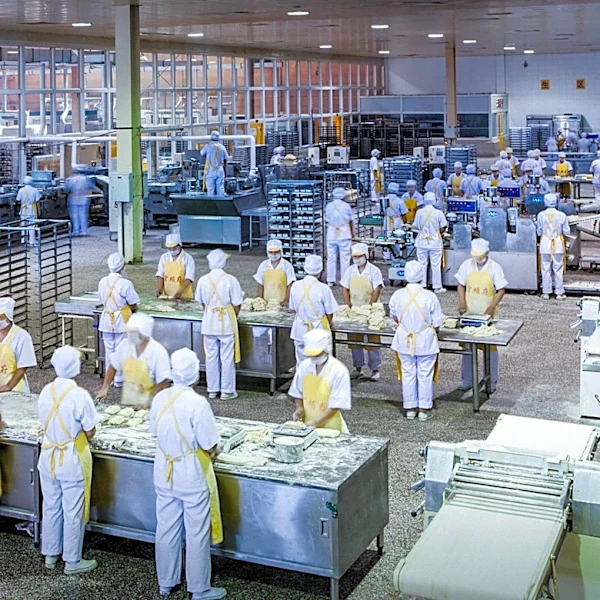
Historically, the preparation of gochujang was a household art, with families fermenting the paste in large earthenware jars. This traditional method, allowing for natural fermentation over extended periods, was believed to develop the deepest and most nuanced flavors. The taste of the finished gochujang is highly dependent on both the quality of these raw ingredients and the duration of its fermentation. This practice of home-based gochujang making began to decline in the early 1970s with the advent of commercial production, making the condiment widely available in grocery stores and markets.
The origins of gochujang can be traced back to the Joseon period, specifically between the 16th and 17th centuries, when Koreans started incorporating it into their dishes. Early references to gochujang, sometimes spelled "gochojang," appear in 18th-century texts like the Somun saseol and Jeungbo sallim gyeongje. These historical records indicate that the condiment was made from powdered red chili peppers mixed with powdered glutinous rice and soybean paste, then left to mature in the sun. This traditional approach to preparation, allowing the mixture to ripen under natural conditions, highlights the long-standing cultural significance of fermentation in Korean cuisine.
Measuring Spiciness: The Gochujang Hot-Taste Unit
To standardize the pungency of gochujang, a specific measurement system has been developed: the Gochujang Hot-Taste Unit (GHU). This unit quantifies the spiciness of gochujang based on the concentrations of capsaicin and dihydrocapsaicin, which are determined through gas chromatography and high-performance liquid chromatography. Gochujang products are categorized into five distinct levels of spiciness: Mild, Slight Hot, Medium Hot, Very Hot, and Extreme Hot. This system provides consumers with a clear indication of the heat level they can expect from different gochujang varieties, ranging from less than 30 GHU for Mild to over 100 GHU for Extreme Hot.