






The antisemitic mass shooting at the Tree of Life – Or L'Simcha Congregation in Pittsburgh on October 27, 2018, which claimed eleven lives and wounded six, was met with immediate and widespread condemnation. This horrific event, marking the deadliest antisemitic attack in U.S. history, triggered a range of responses from political leaders, the public, and Jewish communities across the nation. The aftermath saw efforts to support victims, enhance security,
and address the underlying issues of antisemitism and hate.
Public and Political Reactions
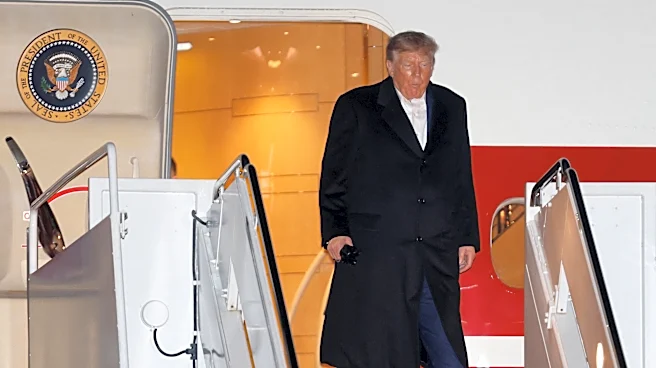
The shooting was universally condemned by leaders and organizations. President Donald Trump's visit to Pittsburgh in the wake of the attack, however, was met with protests. Some individuals blamed him for a perceived upsurge in white nationalist violence, highlighting the polarized political climate surrounding such tragedies. The incident brought into sharp focus the growing concerns about hate crimes and the rhetoric that can fuel them. Millions of dollars were raised to support the victims and survivors of the attack, demonstrating a collective outpouring of sympathy and a desire to help those directly affected.
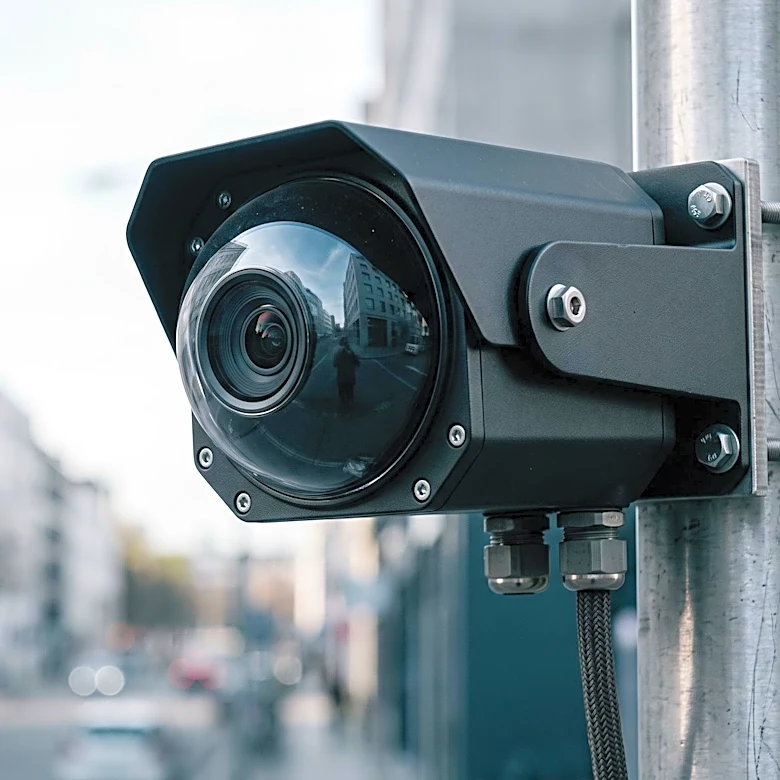
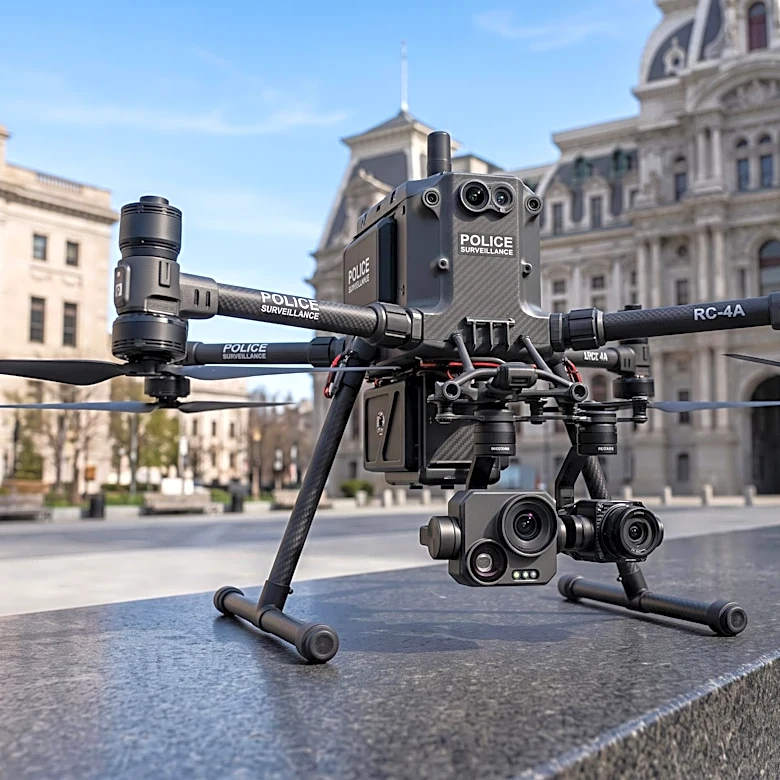
In the years following the attack, significant efforts were made to increase security at American synagogues and other Jewish buildings. This included implementing new security measures, enhancing surveillance, and providing training for congregants and staff. The goal was to prevent future attacks and ensure the safety of Jewish communities, which had become increasingly vulnerable. These security enhancements reflected a somber recognition of the persistent threat of antisemitism.
Addressing the Roots of Hate
The attack also drew attention to the broader context of rising antisemitism and hate crimes in the United States. The perpetrator, Robert Gregory Bowers, had posted antisemitic comments against HIAS (formerly, Hebrew Immigrant Aid Society) on the online alt-tech social network Gab prior to the shooting. He specifically targeted Dor Hadash, one of the congregations in the Tree of Life building, because it had participated in HIAS's National Refugee Shabbat the previous week. His posts linked HIAS to Central American migrant caravans and immigrants, expressing a belief that they were bringing "invaders" who would "kill our people."
This incident occurred within a period of heightened tensions. The months leading up to the October 2018 shooting saw a rise in online attacks, attributed in part to the advertising for the 2018 U.S. midterm elections. A similar increase in online attacks had been observed during the 2016 U.S. election, with midterms serving as a "rallying point" for far-right extremists to spread antisemitism online. In 2017, there was a 57% rise in antisemitic incidents in the United States, alongside an increase in hate crimes against other groups, including Muslims and African Americans, as reported by the FBI. Examples included the vandalism of hundreds of Jewish gravestones in Pennsylvania and Missouri, and a doubling of antisemitic incidents on university campuses. These trends underscore the broader societal challenges that the Pittsburgh synagogue shooting tragically brought to the forefront, prompting ongoing discussions about combating hate and protecting vulnerable communities.