



The 1995 season was a pivotal year for the Houston Astros, marked by significant events and transitions. This season followed the tumultuous 1994 season, which was cut short by a players' strike. As the Astros returned to the field in 1995, they faced new challenges and opportunities. This article delves into the key moments and changes that defined the Astros' 1995 season.
A New Beginning
The 1995 season began with a sense of renewal for the Houston Astros. After
the abrupt end of the 1994 season due to the players' strike, the team was eager to return to the field and prove themselves. The Astros were part of the National League Central Division, competing against teams like the Chicago Cubs, Cincinnati Reds, and St. Louis Cardinals. The season was an opportunity for the Astros to reestablish their presence in the league and build on their past performances.
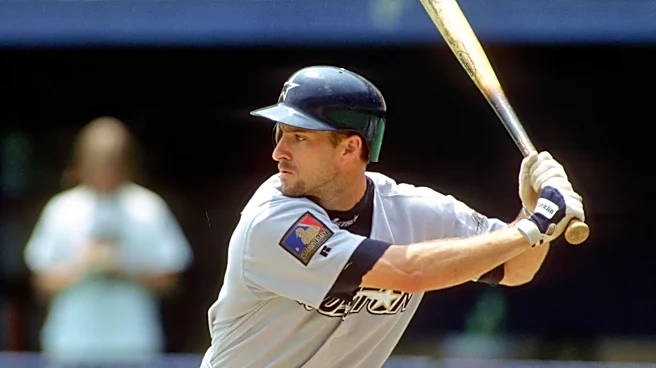
One of the highlights of the 1995 season was the selection of second baseman Craig Biggio to the starting lineup for the National League at the MLB All-Star Game. Biggio's performance was a testament to his skill and dedication, as he became the first Astro to hit a home run in the All-Star Game since César Cedeño in 1976. His selection as a starter marked a significant achievement for the Astros, as he was the first in club history to be in the All-Star starting lineup at second base.
Challenges and Competitions
Throughout the 1995 season, the Astros faced stiff competition from their division rivals. The team played a series of games against formidable opponents, including the St. Louis Cardinals and the Los Angeles Dodgers. These matchups tested the Astros' resilience and ability to perform under pressure. Despite the challenges, the Astros managed to secure several victories, showcasing their potential and determination.
The Astros' performance in the 1995 season was characterized by a mix of wins and losses. The team experienced both high-scoring games and narrow defeats, reflecting the competitive nature of the league. The season was a learning experience for the Astros, as they navigated the complexities of the game and sought to improve their standings.
Building for the Future
As the 1995 season progressed, the Astros focused on building a strong foundation for future success. The team's management and players were committed to developing their skills and strategies, aiming to enhance their performance in subsequent seasons. The experiences and lessons learned during the 1995 season were invaluable for the Astros, shaping their approach to the game and their aspirations for the future.
In conclusion, the 1995 Houston Astros season was a year of transition and growth. The team faced numerous challenges but remained determined to succeed. With key players like Craig Biggio leading the way, the Astros laid the groundwork for future achievements and continued to strive for excellence in Major League Baseball.