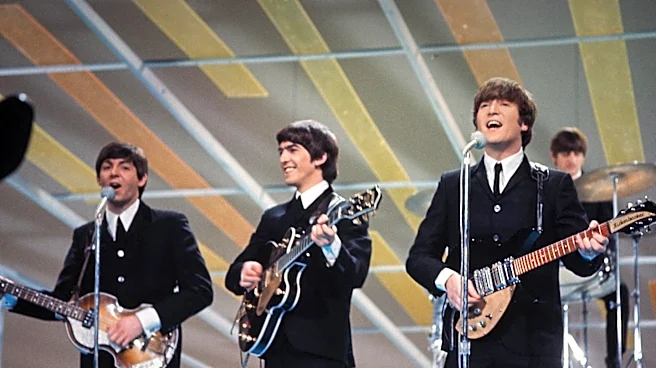




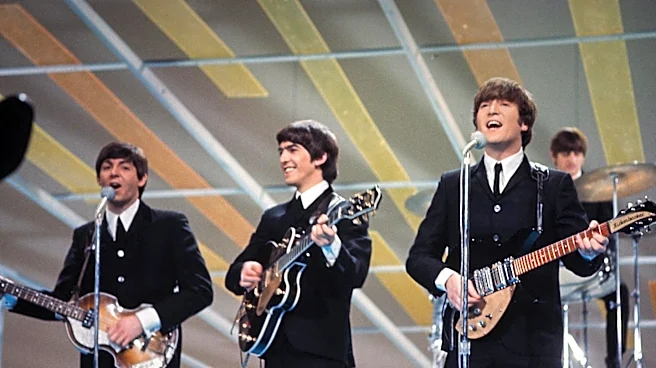
In early 1969, The Beatles embarked on a project that aimed to strip away the elaborate studio experimentation of their recent years and return to the fundamental rock and roll sound that defined their early career. This initiative, initially conceived as a concept album titled *Get Back*, sought to emphasize simple song structures and arrangements featuring just guitar, bass, and drums, eschewing grand orchestral arrangements. However, the project was
fraught with internal difficulties, disagreements, and tensions within the band, ultimately leading to its delayed release and eventual transformation into the *Let It Be* album after the group's dissolution. The journey of the *Get Back* project offers a candid look into the creative and personal struggles of the world's most famous band.
The Back-to-Basics Concept and Early Rehearsals
The core idea behind the *Get Back* project was a deliberate move away from the complex, multi-layered productions that characterized albums like *Sgt. Pepper's Lonely Hearts Club Band*. The Beatles, particularly Paul McCartney, yearned for a return to their roots, focusing on live performance and a more spontaneous recording process. Rehearsals began in January 1969 at Twickenham Film Studios, with the intention of recording a concert that would be part of a television special and an accompanying album. This period was meant to capture the band in a raw, unadorned state, offering a "fly on the wall" insight into their creative process.
However, from the outset, the project was plagued by internal strife. Disagreements and indecision were common, and tensions ran high among the band members. A significant moment during these early sessions was George Harrison's temporary departure from the band. After a few days, Harrison returned, and rehearsals were relocated to The Beatles' new studio in the basement of Apple headquarters at 3 Savile Row. These sessions, unlike those at Twickenham, were recorded on multitrack tape recorders, providing a more comprehensive record of their work.
The Unreleased Album and Bootleg Phenomenon
Following the first week of rehearsals at Apple, engineer Glyn Johns proposed an album that would give listeners an unfiltered view of The Beatles at work. He mixed several tracks and created acetates for each Beatle, but his idea was met with a "resounding no." Despite this initial rejection, John Lennon and Paul McCartney later asked Johns to assemble an album from the tapes in early March. Johns adhered to his original "fly on the wall" concept, selecting early rehearsal takes for the album, which he titled *Get Back*. He completed mixing and assembling the album by May 1969, with a planned release in July.
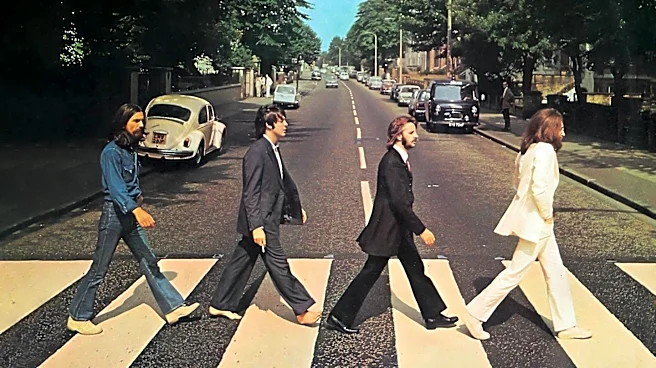
However, the release of *Get Back* was postponed until December due to the ongoing work on *Abbey Road* and the unfinished accompanying film. This delay inadvertently led to the emergence of one of the most famous bootleg albums in music history. In September 1969, several U.S. radio stations began broadcasting recordings of The Beatles' unreleased *Get Back* album. It was rumored that Lennon had given an acetate or tape copy to a reporter, who then passed it to a disc jockey. WBCN in Boston broadcast Johns' January acetate in its entirety on September 22, 1969, and a recording of this broadcast became the source for the *Kum Back* bootleg LP, which appeared in record stores in January 1970. This bootleg, packaged in a plain white jacket with "Kum Back" rubber-stamped, spurred significant interest in unreleased Beatles recordings and led to hundreds of other bootleg LPs throughout the 1970s.
From *Get Back* to *Let It Be* and Beyond
By the time The Beatles' *Let It Be* album was officially released in May 1970, remixed and overdubbed by Phil Spector, the original *Get Back* album was already a known entity due to the bootlegs and a *Rolling Stone* preview. Reviews of *Let It Be* often highlighted the contrast between the original "back-to-basics" approach and Spector's lavish orchestration. *New Musical Express* lamented that "almost all of the fun and raw feel has been taken away or polished up by Phil Spector," while *Rolling Stone* complained that Spector "whipped out his orchestra and choir and proceeded to turn several of the rough gems on the best Beatle album in ages into costume jewelry."
The story of the *Get Back* project continued to unfold decades later with Peter Jackson's 2021 documentary series, *The Beatles: Get Back*. This series, described by Jackson as "a documentary about a documentary," offered an unprecedented look into the 21 days the band spent in the studio rehearsing for the album, concert, and film project. It culminated with the full 42-minute rooftop concert. Jackson's version included controversial events, such as Harrison's brief resignation, which the original *Let It Be* film had omitted. The series primarily used footage from alternative camera angles, aiming to supplement rather than replace the original film. It provided new insights into the band's dynamics, including McCartney's efforts to motivate the group, Harrison's contemplation of a "divorce" from the band, and candid moments like an off-camera lunch between Lennon and McCartney where they discussed their treatment of Harrison and the future of the group. This extensive re-examination solidified the *Get Back* project's legacy as a pivotal, complex, and endlessly fascinating chapter in The Beatles' history.