

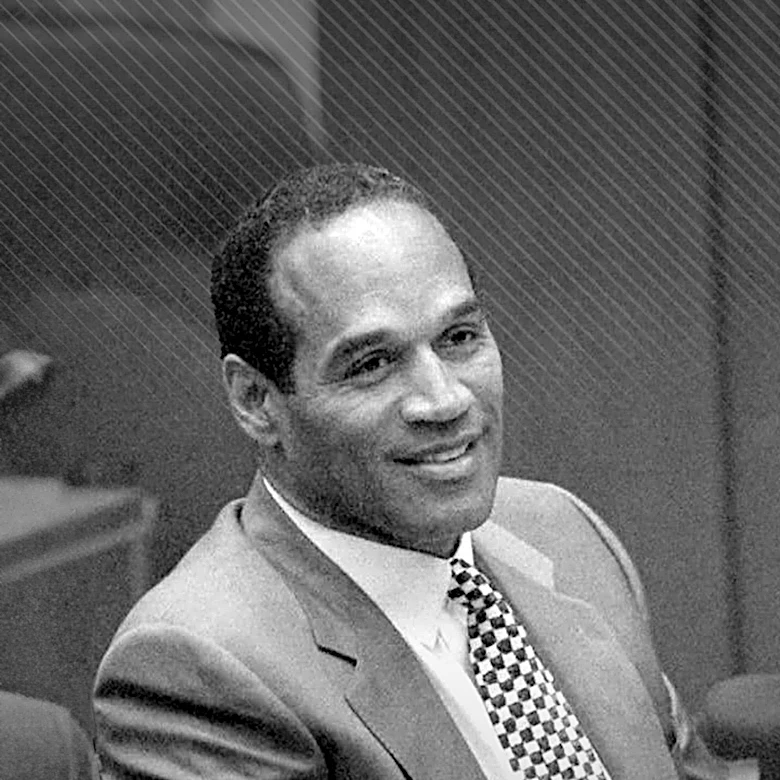





The murder trial of O.J. Simpson was not just a legal battle; it was a media spectacle that captivated audiences worldwide. Dubbed the "trial of the century," the proceedings were broadcast live, turning the courtroom into a stage for a drama that unfolded over eight months. The trial's extensive media coverage and the public's reaction to it highlighted the intersection of celebrity, race, and justice in America.
The Role of the Media
From the outset, the O.J. Simpson
trial was a media sensation. The case involved a beloved sports icon accused of a heinous crime, and the public was eager for every detail. Television networks interrupted regular programming to cover the trial, and the live broadcast of the low-speed Bronco chase became one of the most-watched events in television history.
The media's portrayal of the trial was often sensationalized, with networks competing for exclusive interviews and footage. This coverage turned the trial into a form of entertainment, with commentators analyzing every move of the defense and prosecution. The trial's participants, including lawyers and witnesses, became celebrities in their own right, with their actions and appearances scrutinized by the public.
Public Reaction and Racial Divide
The trial's verdict revealed a deep racial divide in America. Polls conducted after the verdict showed that most African Americans believed Simpson was innocent, while most White Americans thought he was guilty. This division was dubbed the "racial gap" by the media and highlighted the differing perceptions of justice and race in the United States.
The trial also sparked discussions about the role of race in the legal system. The defense's strategy of highlighting racial bias within the LAPD resonated with many African Americans, who had long experienced discrimination by law enforcement. The trial became a symbol of the broader issues of race and justice in America, with the verdict seen as a victory against a biased system by some and a miscarriage of justice by others.
Lasting Impact on Media and Society
The O.J. Simpson trial had a lasting impact on both the media and society. It set a precedent for the coverage of high-profile legal cases, with networks recognizing the public's appetite for courtroom drama. The trial also influenced the way the media covers issues of race and justice, with a greater awareness of the potential for bias and sensationalism.
In the years since the trial, the media's role in shaping public perception of legal proceedings has continued to evolve. The O.J. Simpson trial remains a landmark case in American history, illustrating the power of the media to influence public opinion and the complexities of race and justice in the United States.