



Gerald Ford's inauguration as the 38th president of the United States was a historic event marked by its unique circumstances. Taking place on August 9, 1974, in the East Room of the White House, this inauguration was unlike any other in the 20th century. It followed the resignation of President Richard Nixon, making it the last non-scheduled, extraordinary inauguration of the century. This article delves into the details and significance of this unprecedented
event.
A Non-Scheduled Inauguration
The inauguration of Gerald Ford was not a typical presidential ceremony. It was the ninth non-scheduled, extraordinary inauguration in U.S. history, but it was the first to occur due to a president's resignation. The previous eight instances were all due to the death of a sitting president. This made Ford's swearing-in a unique moment in American history, highlighting the resilience of the country's democratic processes even in times of political turmoil.
Ford's path to the presidency was also unusual. He had been vice president for only eight months, having been appointed under the Twenty-fifth Amendment after Spiro Agnew resigned. This amendment allowed for the appointment of a vice president when the position became vacant, a provision that had never been used before Ford's appointment. Thus, Ford became the first person to assume both the vice presidency and the presidency without being elected to either office.
The Ceremony in the East Room
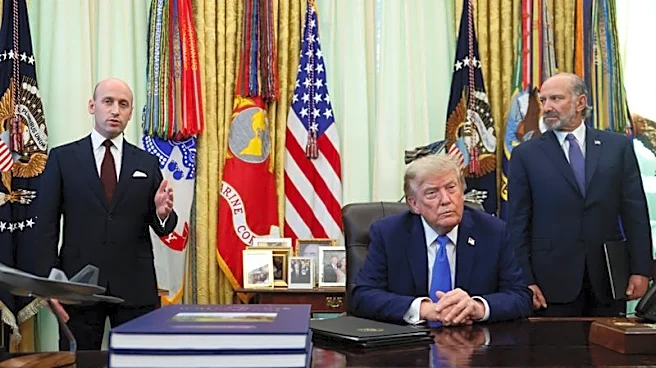
The inauguration took place in the East Room of the White House, a setting that underscored the extraordinary nature of the event. Chief Justice Warren E. Burger administered the oath of office, with Ford's wife, Betty Ford, holding the Bible open to Proverbs 3:5-6. This intimate setting was a stark contrast to the grand public inaugurations typically held on the steps of the U.S. Capitol.
The choice of location and the simplicity of the ceremony reflected the somber mood of the nation. The Watergate scandal had deeply shaken public trust in government, and Ford's inauguration was a moment of transition and healing. It was a time for the country to move forward and restore confidence in its leadership.
Ford's Unique Presidential Path
Gerald Ford's presidency was marked by its brevity and the circumstances that led to it. His term lasted only two years and 164 days, ending on January 20, 1977. Despite its short duration, Ford's presidency was significant for its efforts to restore integrity and trust in the executive branch.
Ford's rise to the presidency without election to either the vice presidency or presidency remains a unique occurrence in American history. As of 2026, he is the most recent vice president to succeed to the presidency intra-term. His inauguration and subsequent presidency serve as a reminder of the constitutional mechanisms in place to ensure continuity of leadership in the United States.
In conclusion, Gerald Ford's inauguration was a pivotal moment in American history, characterized by its unprecedented nature and the challenges it sought to address. It stands as a testament to the resilience of the U.S. political system and the ability of its leaders to navigate times of crisis.