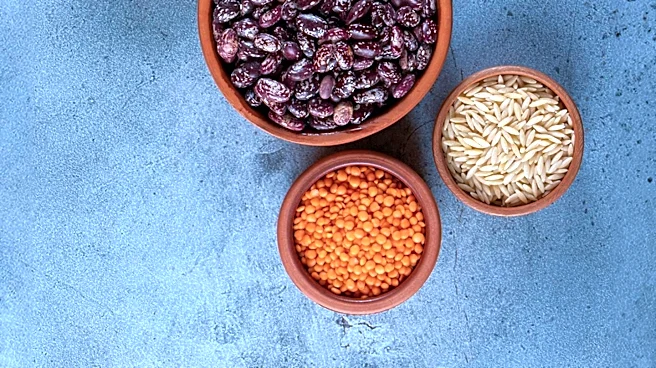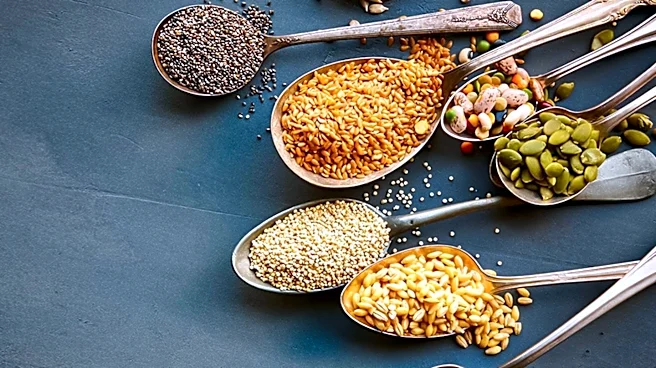

Dal, a term used in the Indian subcontinent, refers to dried, split pulses such as lentils, peas, and beans. These pulses are a cornerstone of South Asian cuisine, playing a vital role in the diets of millions.
Known for their versatility and nutritional value, dals are not only a staple food but also a cultural symbol in the region.
The Versatility of Dal
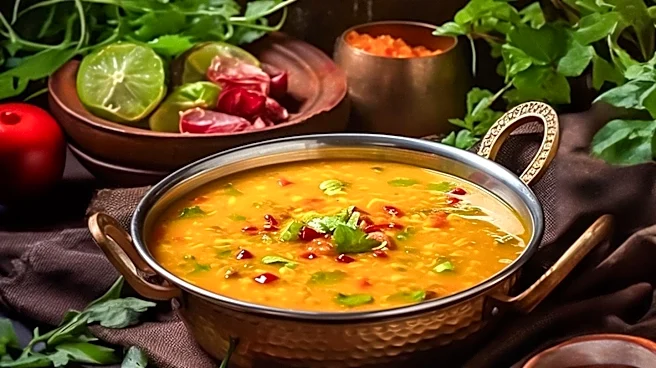
Dal is celebrated for its versatility in South Asian cooking. It can be prepared in various forms, including soups, stews, and snacks. The pulses do not require soaking before cooking, making them a convenient ingredient for everyday meals. In many South Asian households, dal is a daily staple, often served with rice or flatbreads like rotis and chapatis. This combination, known as dal bhat, is a common meal across the region, providing a balanced source of protein and carbohydrates.
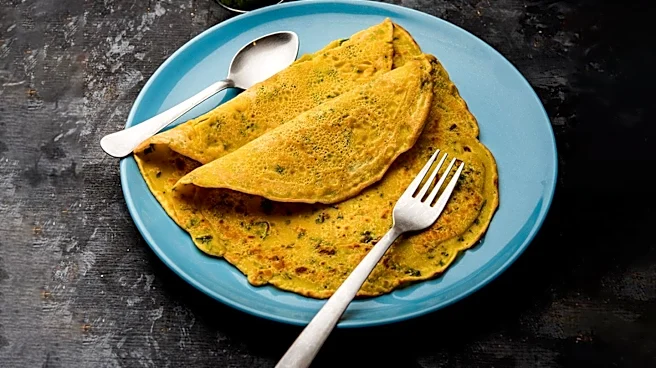
In addition to its role in main dishes, dal is also used in snacks and side dishes. Certain types of dal are fried, salted, and enjoyed as a dry snack. A variety of savory snacks are made by frying a paste of soaked and ground dals, often mixed with spices and nuts like cashews. This adaptability makes dal an integral part of South Asian culinary traditions.
Nutritional and Cultural Importance
Dal is not only valued for its culinary versatility but also for its nutritional benefits. Pulses are rich in protein, making them an essential component of vegetarian diets prevalent in South Asia. The hulling process, which involves removing the outer coat of the pulse, enhances digestibility and palatability, while also increasing the protein content of the dish.
Beyond its nutritional value, dal holds cultural significance in South Asia. It is a symbol of sustenance and comfort, often associated with home-cooked meals and family gatherings. The preparation and sharing of dal dishes are deeply embedded in the social and cultural fabric of the region, reflecting the communal nature of South Asian societies.
Dal's Enduring Legacy
The enduring popularity of dal in South Asian cuisine is a testament to its cultural and nutritional importance. As a staple food, it continues to nourish and sustain communities across the region. The rich variety of dal dishes, each with its unique flavors and preparations, highlights the diversity and creativity of South Asian culinary traditions.
In conclusion, dal is more than just a food item; it is a cultural icon that embodies the essence of South Asian cuisine. Its role in daily life, festivals, and family traditions underscores its significance as a symbol of nourishment and community.